الحجم والتصميم
G.DIA مقابل DIA: ماذا تعني أرقام قياسات العدسات اللاصقة حقاً
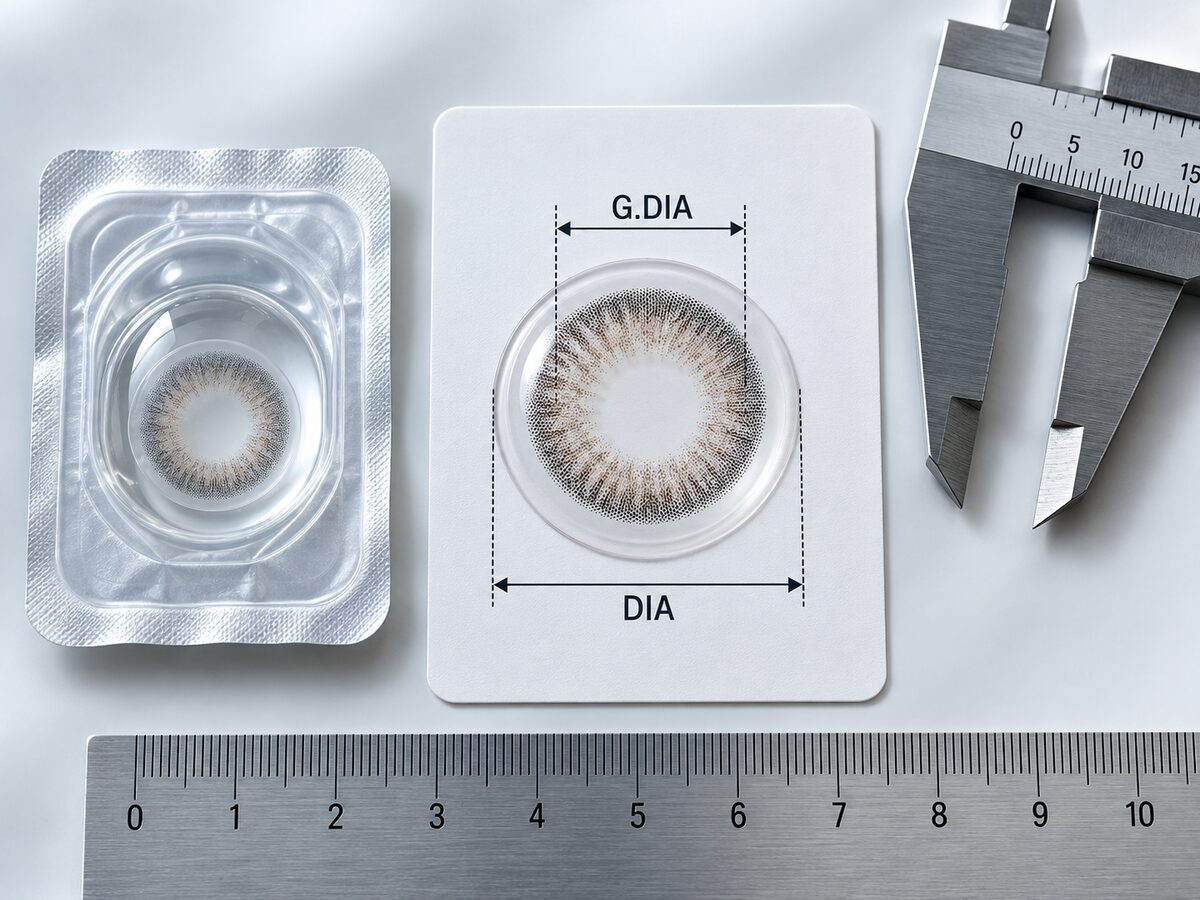
تصف G.DIA قطر التصميم المطبوع على العدسة اللاصقة؛ بينما تصف DIA قطر العدسة بالكامل. إنهما تجيبان على تساؤلات مختلفة. في قوائم KPOP2 الحالية، تأتي عدسات OLENS Scandi Olive بتصميم مطبوع مقاس 11.9 مم داخل عدسة مقاس 14.2 مم، بينما تُدرج عدسات Real Ring Brown و ViVi Ring Brown الشهرية بقطر إجمالي قدره 14.0 مم مع أحجام تصميم مطبوع مختلفة. تساعد هذه القياسات في تحديد ومقارنة التصاميم. وهي لا تتنبأ بالمظهر الدقيق لمن يرتديها ولا تحدد ما إذا كانت العدسة مناسبة للعين.
في هذا الدليل
ما الذي تصفه هذه القياسات
G.DIA (قطر التصميم المطبوع) هو العرض المذكور للتصميم الملون المطبوع. قد تراه مكتوباً أيضاً كحجم التصميم. أما DIA (القطر) فهو عرض العدسة اللاصقة بالكامل، بما في ذلك المادة الشفافة التي تلي المنطقة المطبوعة. وبالتالي، يمكن أن يكون قياس G.DIA للمنتج أصغر من قياس DIA الخاص به.
لا تعبر أي من هاتين القيمتين عن قطر قزحية عينك أو بؤبؤ عينك الطبيعي. ولا تعبر أي منهما عن قوة الوصفة الطبية. انحناء قاعدة العدسة (BC) هو قياس منفصل للمنتج. احتفظ بكل تسمية بجوار قيمتها في ملاحظاتك؛ فعبارة "عدسة 13 مم" غامضة ما لم تعرف الحقل الذي يشير إليه هذا الرقم.
توضح إدارة الغذاء والدواء الأمريكية (FDA) المعلومات الواردة في وصفة العدسات اللاصقة، بما في ذلك هوية العدسة الموصوفة ومعايير القياس المناسبة. لا يمكن لأي قياس لتصميم تجميلي أن يحل محل المنتج الدقيق الموصوف طبياً.
أمثلة على المنتجات الشهرية الحالية
تقتصر المقارنة التالية على القوائم الشهرية المحددة التي تم التحقق منها في سجلات منتجات KPOP2 الحالية. لا تنقل هذه القيم إلى عدسات يومية أو توريك (تصحيح الاستجماتيزم) أو أي إصدار آخر يحمل اسماً مشابهاً.
| القائمة الشهرية | G.DIA | DIA | BC | العدسات في العلبة |
|---|---|---|---|---|
| OLENS Scandi Olive | 11.9 مم | 14.2 مم | 8.6 مم | 2 |
| OLENS Real Ring Brown | 12.5 مم | 14.0 مم | 8.6 مم | 2 |
| OLENS ViVi Ring Brown | 13.0 مم | 14.0 مم | 8.6 مم | 2 |
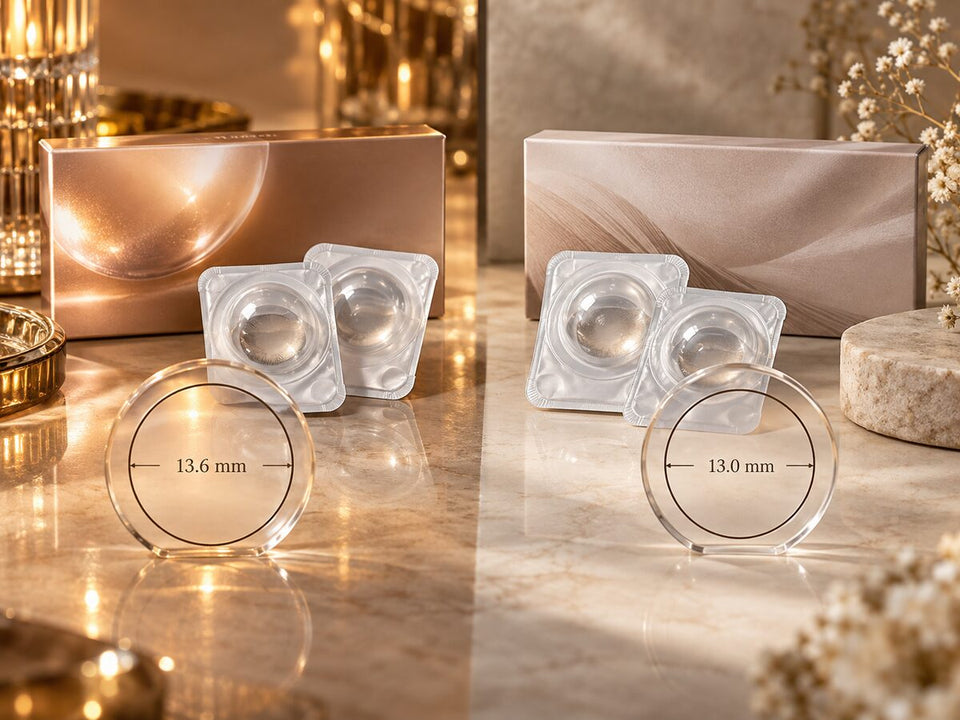
توضح هذه العينة الصغيرة سبب وجوب فصل العمودين عن بعضهما البعض. تتمتع Scandi Olive بأصغر تصميم مطبوع مدرج ولكنها تمتلك أكبر عدسة إجمالية بين هذه الثلاث. بينما تتشارك Real Ring و ViVi Ring في قطر DIA يبلغ 14.0 مم، تختلف قيم G.DIA بينهما بمقدار 0.5 مم. القياس المطبوع الأكبر لا يعني أن العدسة بالكامل أكبر.
سجلات المنتجات والخيارات قابلة للتغيير. تأكد من صفحة المنتج الحالية ومن العبوة الدقيقة قبل الطلب. هذه الأمثلة هي مقارنات ضمن الكتالوج، وليست اختبارات خاضعة للرقابة عند ارتداء العدسة. يناقش دليل تصميم Scandi Olive ومقارنة Real Ring و ViVi Ring تلك الطرازات في سياقاتها الخاصة.
ما لا يمكن لهذه الأرقام إخبارك به
G.DIA هو مجرد مواصفة تقنية، وليس مؤشراً شخصياً لمدى تكبير العين. لا يصف الرقم نمط الطباعة بالكامل، أو عتامة اللون، أو تباين الحواف، أو كيفية تناسق المنطقة المطبوعة مع قزحية العين الفردية. الفارق بمقدار 0.5 مم هو فرق بين قياسين مدرجين فقط؛ وهو ليس فرقاً مرئياً مضموناً بحجم معين على عينك.
وبالمثل، لا يخبرك DIA بمدى ضخامة المنطقة الملونة. طرح G.DIA من DIA لا يكشف عن الشكل أو العرض الدقيق لكل منطقة شفافة في التصميم. يمكن للمخطط الدائري توضيح أن حدود التصميم المطبوع والعدسة الكاملة تختلف، لكنه ليس رسماً تصنيعياً أو محاكاة لكيفية ظهور العدسة عند ارتدائها.
اللون والنمط مهمان أيضاً. قد تجذب الحافة الداكنة المحددة الانتباه حتى عندما يكون التصميم المطبوع صغيراً نسبياً. قد يختلف المظهر بوجود انتقال ألوان أنعم في الصور، لكن الصور تتفاوت حسب لون عين مرتدي العدسات الأصلي، والإضاءة، والمكياج، وتعرض الكاميرا، والتعديل. تجنب اختيار عدسة بناءً على ترتيب القياس بالمليمتر وحده.
مقارنة المظهر مع سياق صور مفيد
حدد أولاً المنتج والإصدار الدقيق الموضح في كل مرجع. ثم قارن بين الصور التي تجيب على نفس السؤال. يمكن أن تساعدك الصور المقربة في فحص الحلقة الخارجية وانتقالات الألوان؛ بينما تُظهر الصور الشخصية الأوسع مدى وضوح التأثير الكلي مع بقية ملامح الوجه. لا يمكن لنوع واحد من الصور أن يحل محل الآخر.
ابحث عن لون القزحية الأصلي وإضاءة مشابهة. إن صورة الاستوديو الساطعة لمنتج ما وصورة الهاتف الخافتة لمنتج آخر لا توفران مقارنة خاضعة للرقابة. تعامل مع صور العملاء والكتالوج كمراجع بصرية، وليس كدليل على ملاءمة العدسة أو نتائج مضمونة. إذا كانت هوية المنتج أو ظروف الصورة غير معروفة، فاحتفظ بهذا الغموض في ملاحظاتك.
اجعل سؤالك محدداً: هل تقارن الحدود، أم تغير اللون، أم مدى بروز العدسة في صورة الوجه الكامل؟ هذا يجعل القائمة المختصرة مفيدة. تقدم أدلتنا حول تقييم صور العملاء ومقارنة التصميم الذي يبدو درامياً للغاية فحصاً مرجعياً إضافياً.

افصل بين مقارنة التصميم وملاءمة العدسة
يعتبر كل من DIA و BC جزءاً من تحديد هوية المنتج، لكن مطابقة هذين الرقمين مع عدسة مختلفة لا يثبت أنها بديل مكافئ أو مناسب. تختلف العلامات التجارية والطرازات في الشكل والمواد وتفاصيل التصميم الأخرى. تنصح إدارة الغذاء والدواء الأمريكية (FDA) المستهلكين باستخدام العدسات الموصوفة بدقة واستشارة أخصائي العيون قبل قبول أي بديل.
لا تغير القطر الإجمالي أو قوة الوصفة الطبية كتعديل في الأسلوب. إذا كنت تفكر في طراز مختلف، فاسأل أخصائي العيون عن ذلك المنتج بالتحديد. عند الشراء، تأكد بشكل منفصل من إصدار المنتج، وخيارات الوصفة الطبية المتاحة فعلياً على الصفحة الحالية، وجدول الاستبدال، وعدد العدسات في العلبة. وصف نطاق القوة لا يؤكد بحد ذاته أي الخيارات متاحة حالياً.
احتفظ بتعليمات الاستبدال والعناية الخاصة بكل عدسة. لا تصبح العدسة الشهرية عدسة يومية لأن تصميمها أصغر، ولا ينبغي إعادة استخدام العدسات اليومية التي تستخدم لمرة واحدة. اتبع توجيهات المنتج المرفقة ونصيحة أخصائي العيون الخاص بك.
قائمة مرجعية عملية للمقارنة
استخدم هذه الحقول لتدوين ملاحظة يمكنك التحقق منها لاحقاً:
- الهوية الدقيقة: العلامة التجارية، الطراز، درجة اللون، والإصدار (يومي، شهري، أو توريك).
- قياسات التصميم: قيمة G.DIA المسجلة ومصدرها؛ ضع علامة "غير مؤكد" على القيمة المفقودة.
- قياسات العدسة: قيم DIA و BC المسجلة من نفس سجل المنتج الدقيق.
- المراجع البصرية: رابط الصورة، إصدار المنتج، لون العين الأصلي إذا كان معروفاً، وسياق الإضاءة.
- تفاصيل الطلب: الاختيارات الموصوفة طبياً لكل عين، جدول الاستبدال، وعدد العدسات الفردية في العلبة.
- سؤال الملاءمة: اصطحب معلومات المنتج الدقيقة إلى أخصائي العيون بدلاً من الاعتماد على لون مشابه أو رقم مطابق.
إذا تعارض عنوان المنتج، أو ملاحظة قديمة، أو مقتطف بحث، أو منشور اجتماعي مع صفحة المنتج الحالية أو العبوة، فلا تخمن أي قياس هو الصحيح. تحقق من الإصدار الدقيق مع البائع قبل الطلب. بالنسبة للملاءمة، أو الوصفة الطبية، أو الأعراض، اتصل بأخصائي العيون.
باختصار، استخدم G.DIA لمقارنة المدى المذكور للتصميم المطبوع، واستخدم DIA لتحديد قطر العدسة بالكامل. ثم قيّم الصور المحددة من أجل الأسلوب، واستخدم المنتج الموصوف بدقة لقرارات الملاءمة والطلب. يكون كل رقم مفيداً عندما يجيب على سؤاله الخاص.
تم التحقق من حقول المنتجات في 29 سبتمبر 2026. إرشادات تحريرية من KPOP2؛ القياسات مرتبطة بالقوائم الشهرية المذكورة أعلاه وهي قابلة للتغيير. صور الكتالوج ليست اختبارات ارتداء خاضعة للرقابة.