

A little color. Still you.
QUICK ADD
✓ Added to your bag.
View bag

QUICK ADD
✓ Added to your bag.
View bag
QUICK ADD
✓ Added to your bag.
View bag
QUICK ADD
✓ Added to your bag.
View bag
QUICK ADD
✓ Added to your bag.
View bag
QUICK ADD
✓ Added to your bag.
View bag
QUICK ADD
✓ Added to your bag.
View bag

QUICK ADD
✓ Added to your bag.
View bag


QUICK ADD
✓ Added to your bag.
View bag
Frequently Asked Questions
How do I narrow down colors when I want a believable everyday change?
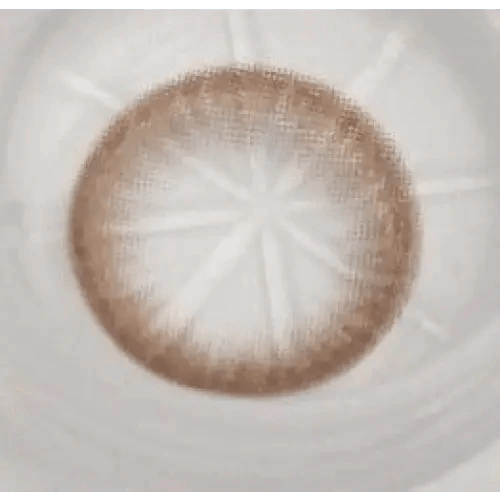
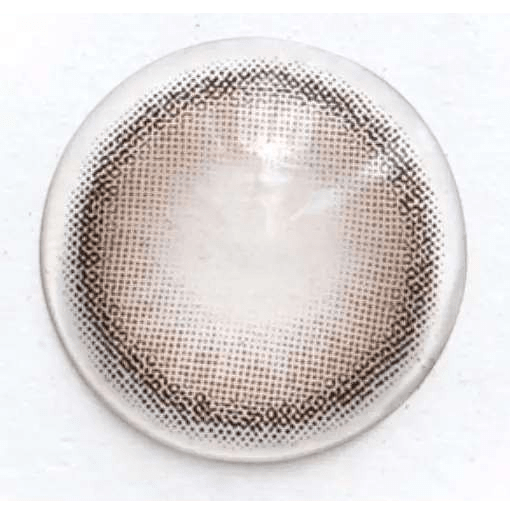
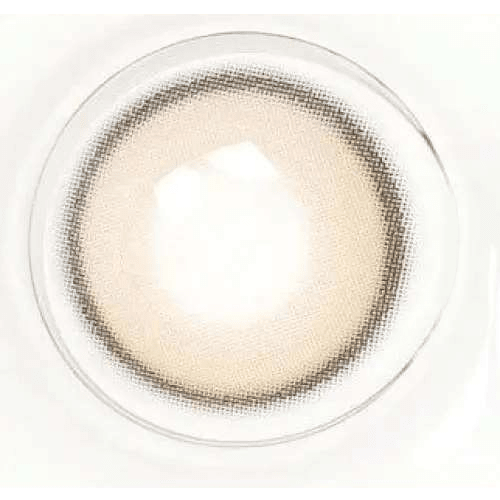
Decide first whether you want a warmer tone, a cooler tone or mostly a different outline. Then compare the edge and central blend within that direction. Changing color, opacity and printed size at once makes a shortlist harder to judge.
Which photos help most if I have very dark brown eyes?
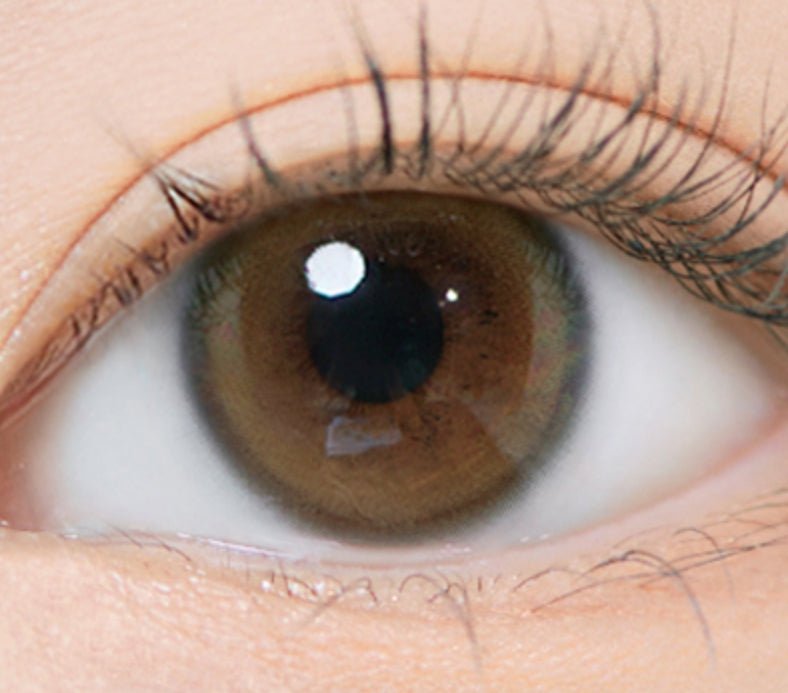
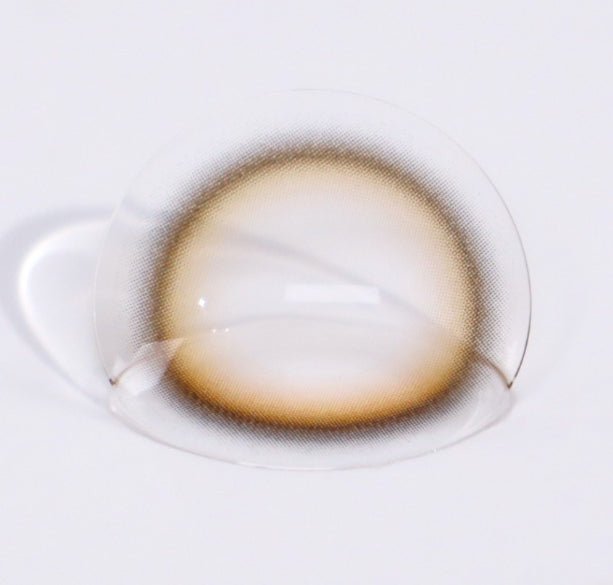
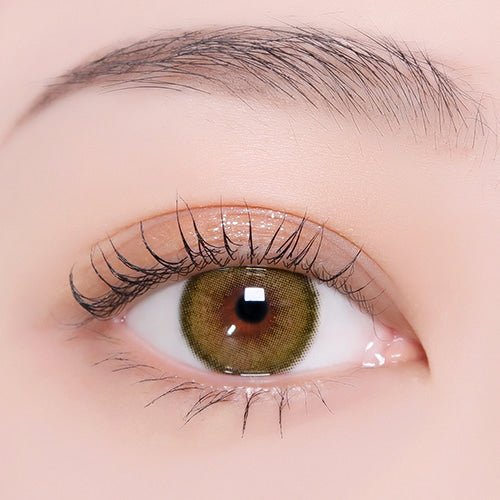
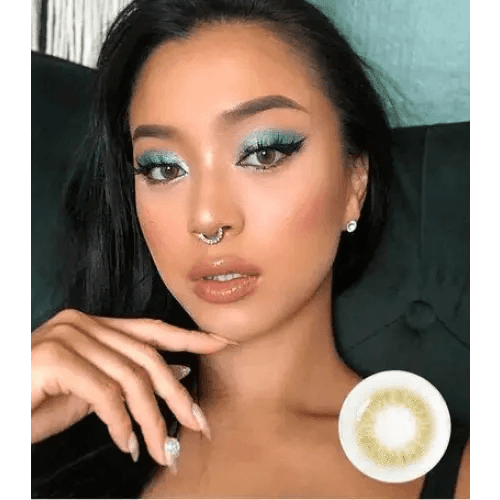
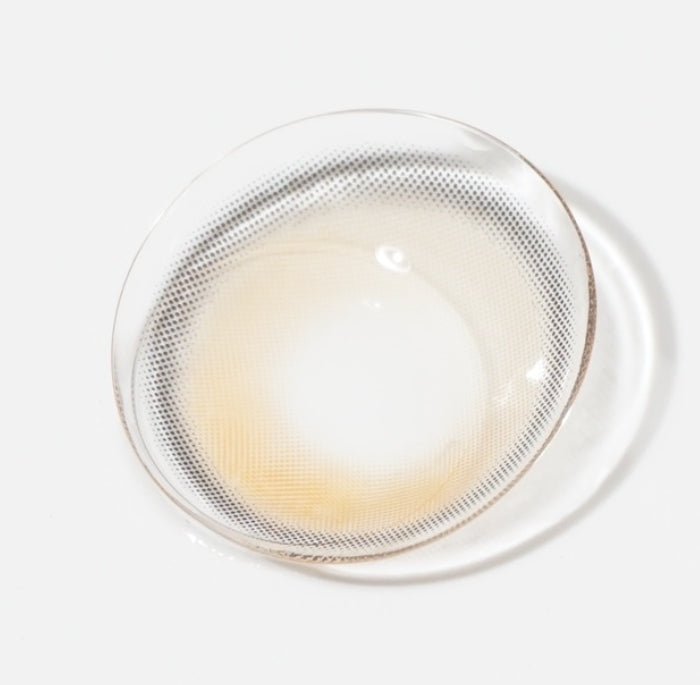
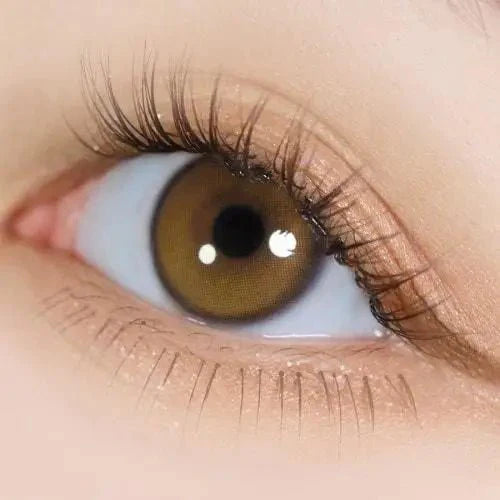
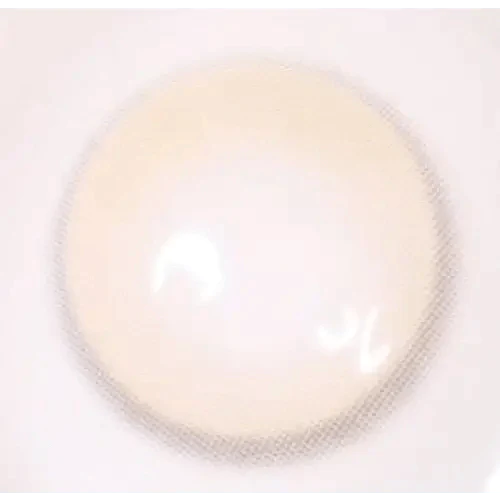
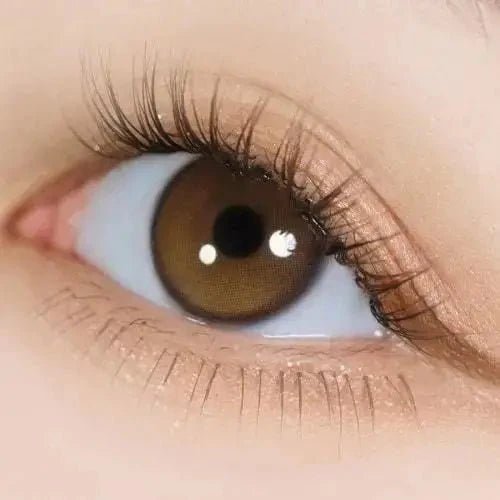
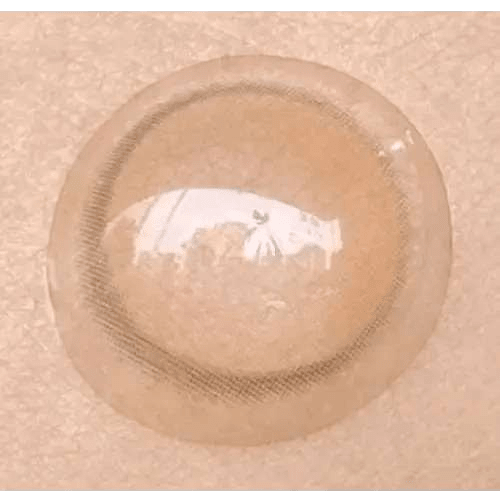
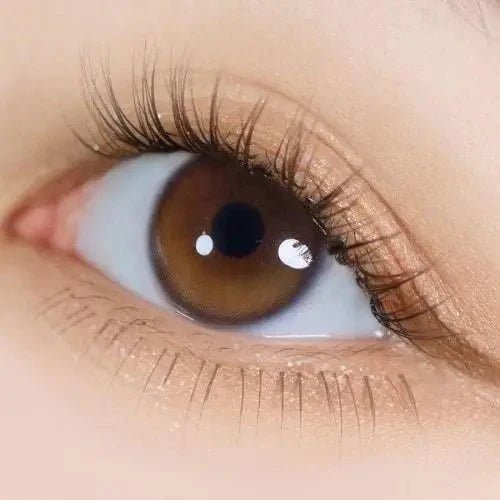
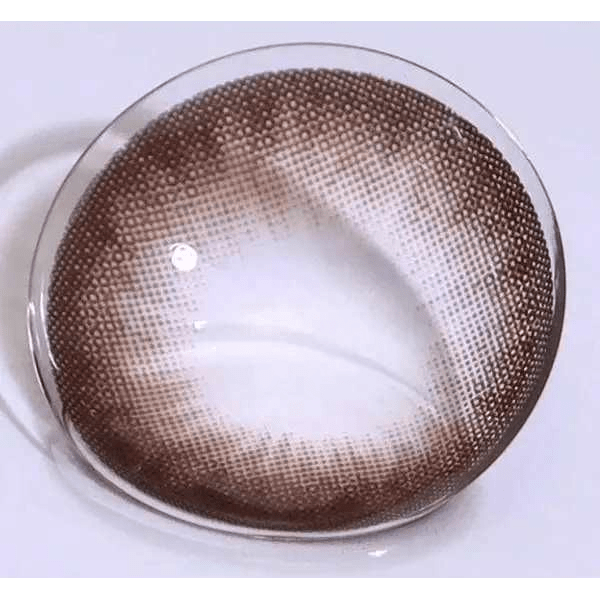
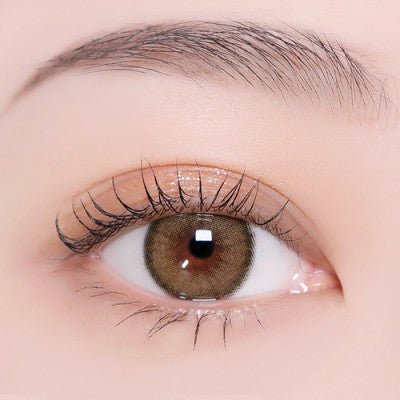
Look for clear on-eye images on similar dark irises. Inspect how much natural color remains visible around the pupil and through the print; a pale lens-in-package photo does not establish how light your eyes will look.
Can colored contacts cover my natural eye color completely?
Do not assume complete coverage unless the exact design documents the effect. Pattern transparency and the central opening leave different amounts of natural iris visible. A color-category name is not an opacity measurement.
How can I tell whether I dislike the shade or just the dark outer ring?
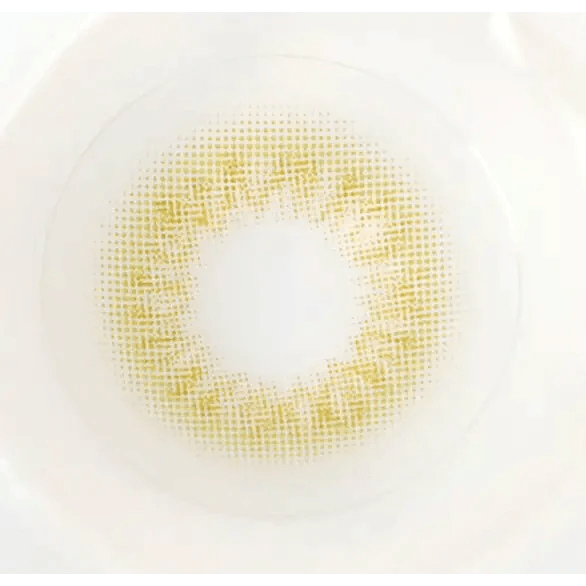
Compare the center color and outer edge separately. If the shade is appealing but the eye looks too outlined, compare a softer edge before switching colors. If the color itself is too cool or warm, change the shade direction first.
Do daily and monthly versions produce exactly the same look?
A shared series or color name does not establish the same print or lens design. Compare the actual photos and product specifications for both formats rather than treating the replacement schedule as their only difference.
What should I compare for my skin undertone without following rigid color rules?
Look at the color with the makeup and hair you usually wear. Decide whether you want a subtle blend or a deliberate contrast; no skin undertone automatically rules out gray, green, blue or brown.
Can colored lenses correct astigmatism just because they offer my minus power?
A matching sphere is not enough to establish astigmatism correction. Choose the prescribed toric product and verify its cylinder and axis options for each eye; do not substitute a spherical colored lens.
Why can the same gray or brown shade look different across brands?
Shade names are not a shared color standard. Print density, central blend and ring design can differ, so compare the actual on-eye photographs rather than matching names alone.
Should I buy a lighter color to make small-looking eyes appear bigger?
Lightness and apparent iris size are separate effects. Look at printed span and border definition if size is the concern; a lighter center may mainly increase color contrast.
Does 0.00 mean a colored contact needs no fitting or prescription?
No. Zero power describes the lack of vision correction. US shoppers still need a valid contact lens prescription and an appropriately fitted product for decorative lenses.
How do I avoid buying one lens when I meant to buy a pair?
Read the pack contents and the quantity added by the product options. Confirm that the cart covers both eyes in the required powers; a displayed box or bottle price does not establish the pair quantity.
What should I check before buying a color for a fixed event date?
Confirm the exact variant and availability, then review Shipping & Delivery for the destination. A shipping estimate should not be treated as a guaranteed arrival date for an event.