KPOP2 collection
Brown Contacts
About this collection
A little color. Still you.

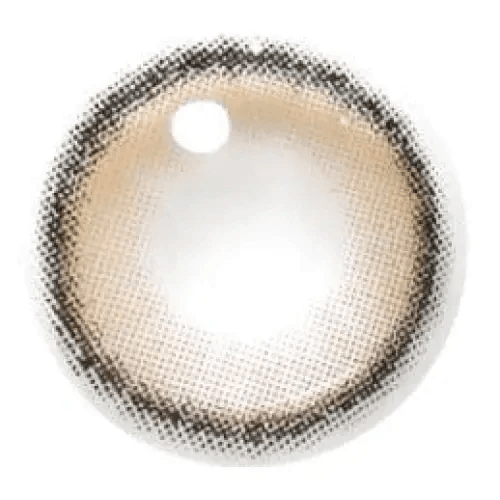
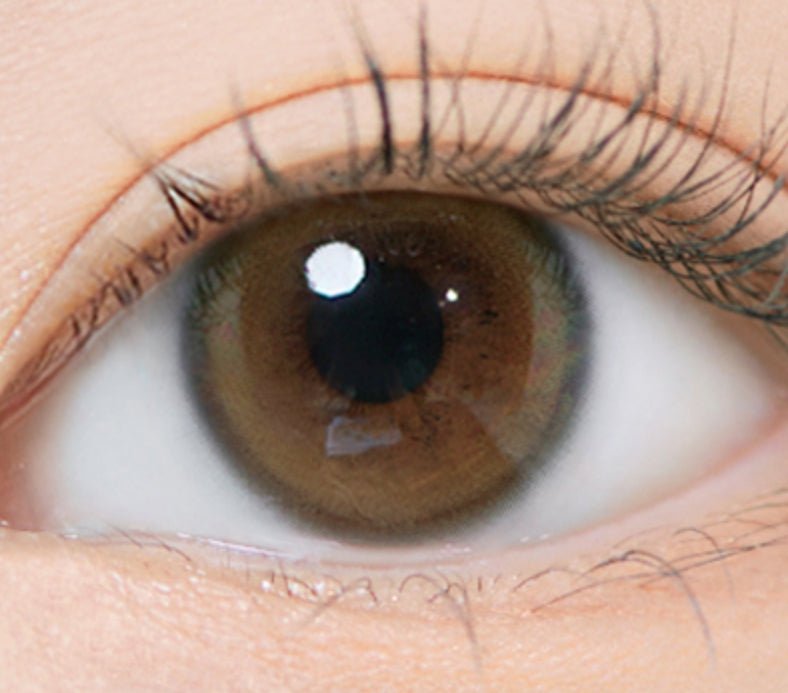
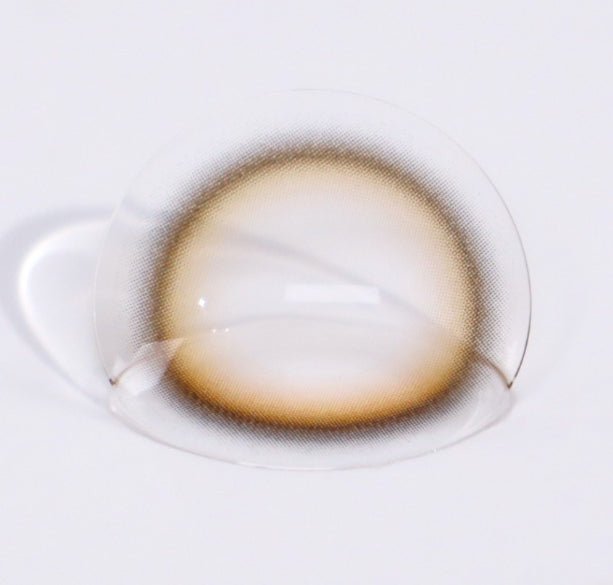
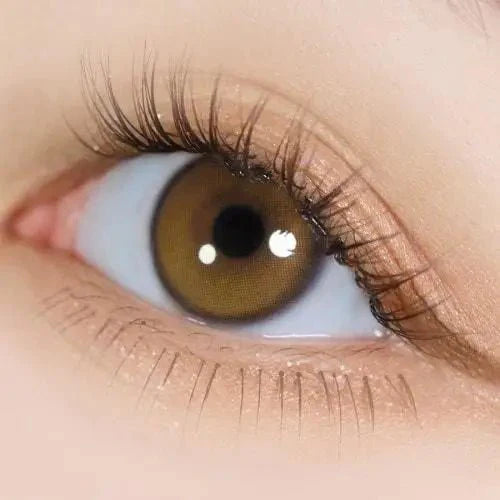

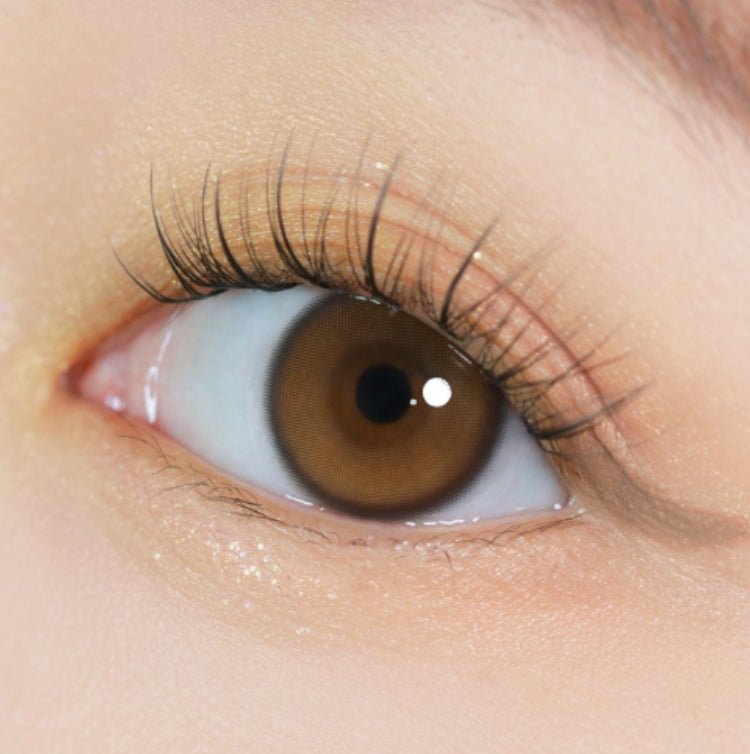
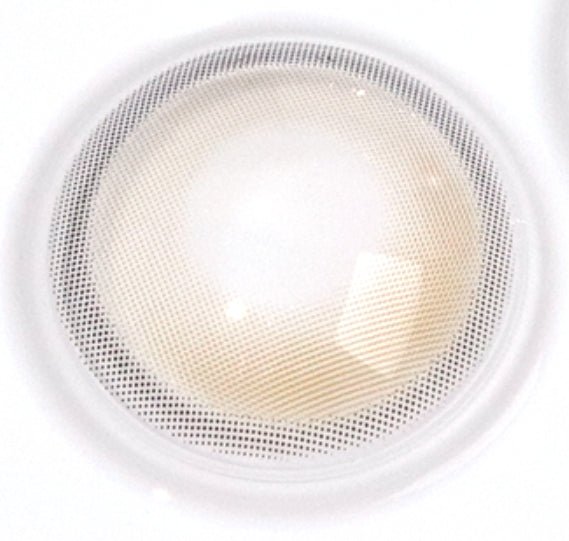

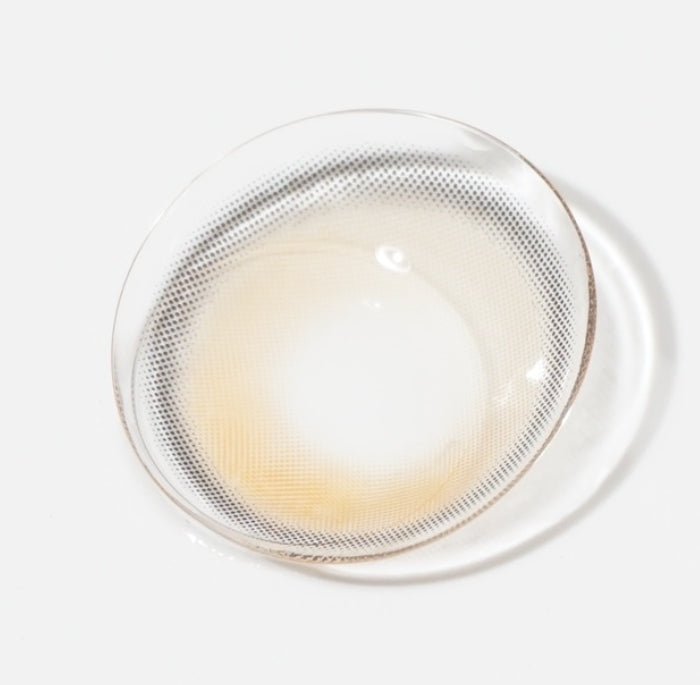
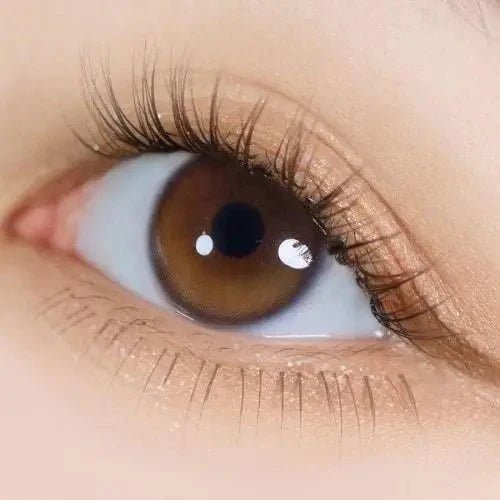
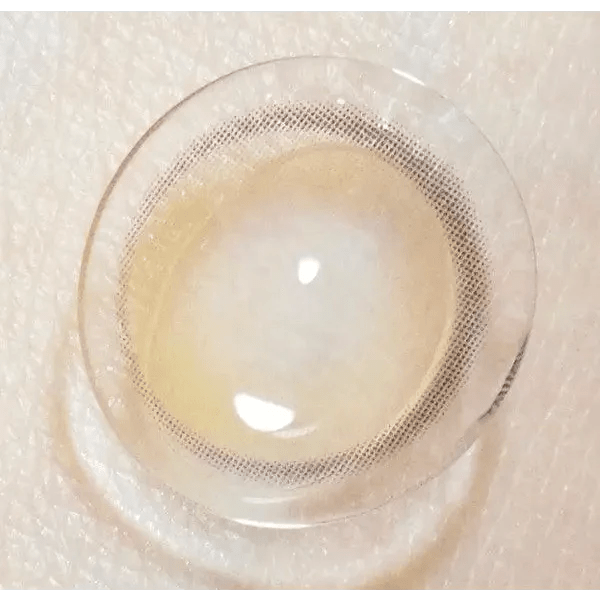
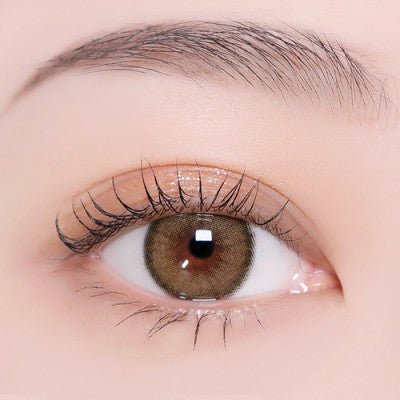
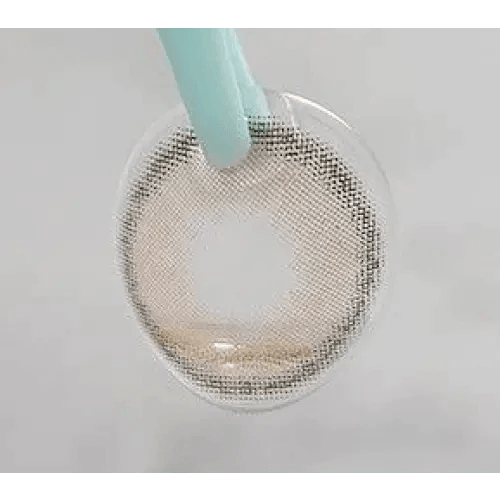

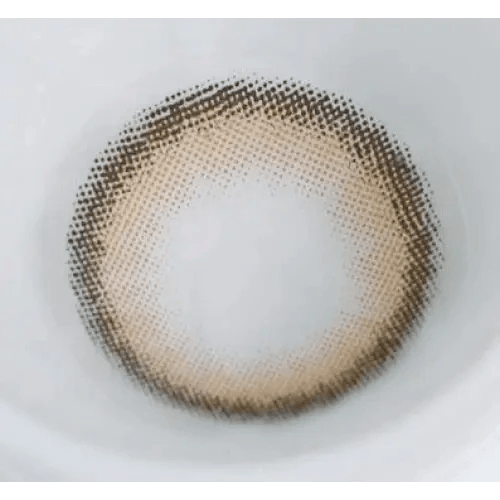
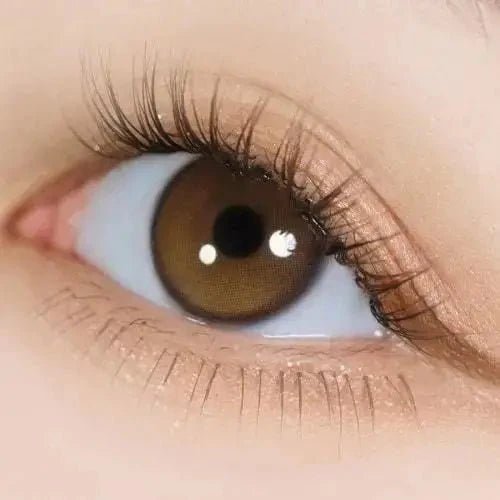
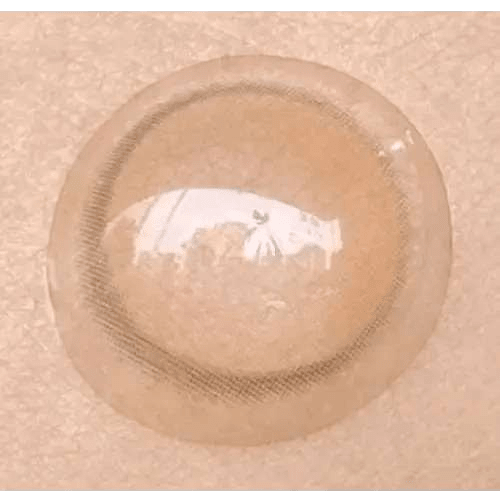
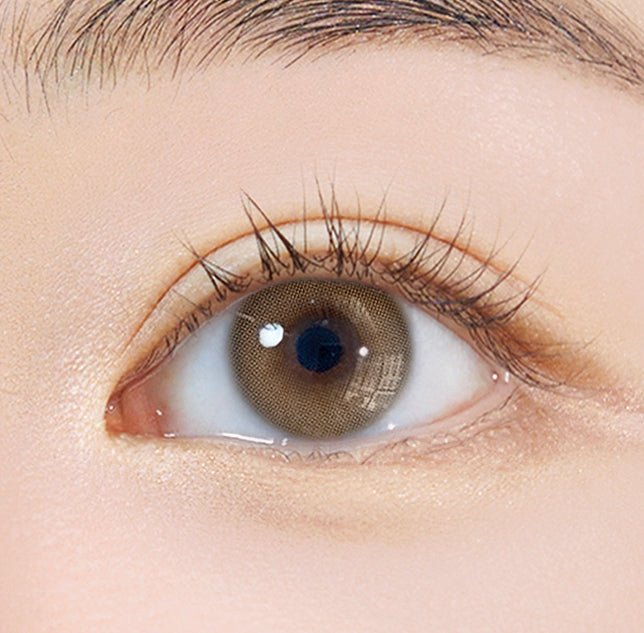
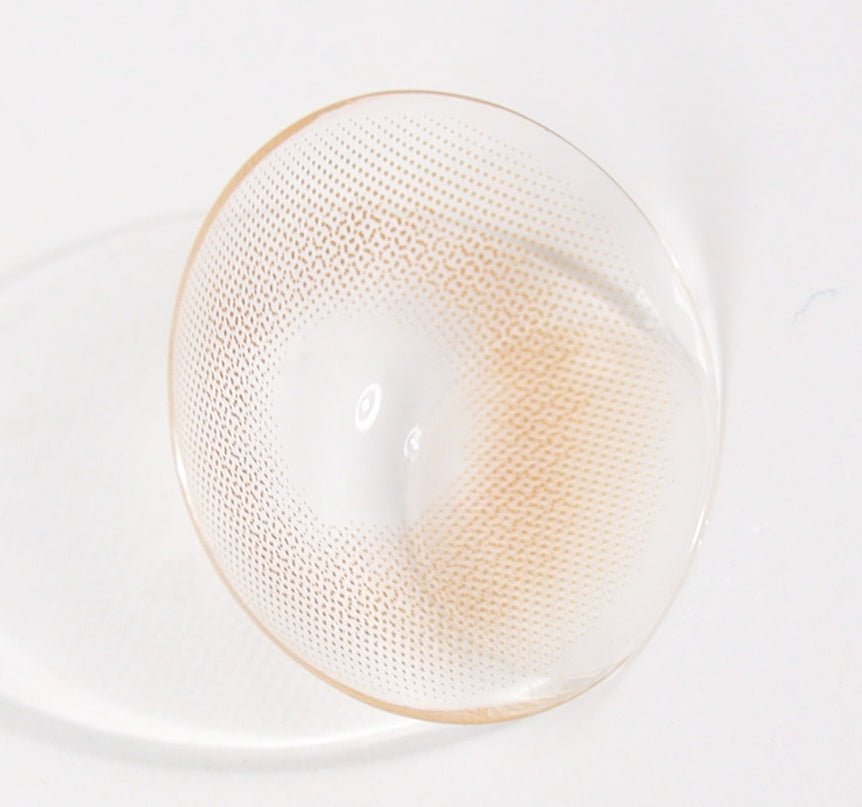


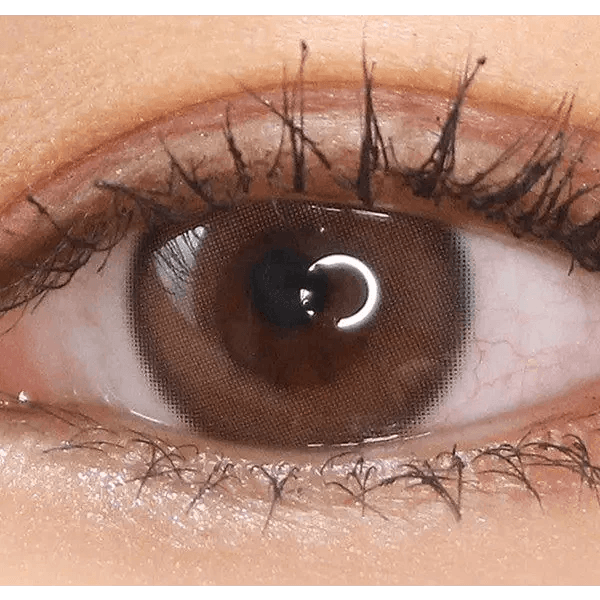
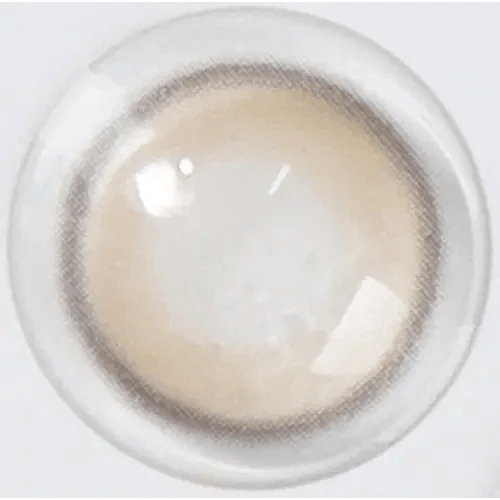
Brown Contacts shopping guide
Frequently Asked Questions
Will brown contacts look the same on everyone?
No. Natural iris color, lighting, camera exposure, and the printed pattern can change how a shade appears. Compare on-eye photos with similar eye colors and lighting.
What should I compare when choosing brown contacts?
Compare the center shade, printed edge, graphic and overall diameter, available powers, replacement schedule, and package contents on the exact product listing.
Are prescription or toric options available in every shade?
Options vary by product. Check the exact power and lens parameters on each listing; a color name does not guarantee a prescription or toric version.
Can a product photo confirm lens fit?
No. Appearance photos show cosmetic design and cannot confirm physical fit or prescription suitability. Check your prescribed parameters and product details.
What details should I compare besides the shade?
Review the printed pattern, graphic and overall diameter when listed, available powers, material, replacement schedule and package quantity for the exact item.
Does a shade name identify the full lens specification?
No. A color name does not confirm material, lens measurements, power range, package contents or replacement schedule. Check the selected product page.
Can two shades in one collection have different power ranges?
Yes. Available powers can vary by model or shade. Confirm the options for the exact product and use your current contact lens prescription.
Where can I check how many lenses are in a color lens pack?
The package contents are listed on the individual product page. Confirm the selected variant and the quantity needed for each eye.
What affects how a colored lens appears?
Natural iris color, the printed design, lighting, makeup and screen settings can affect appearance. Product photos are a guide rather than an exact preview.
Do all colors use the same replacement schedule?
Not necessarily. Check the stated schedule and care instructions for the exact color and product version.