Style & occasions
Colored Contacts for Black, Brown, Blonde and Copper Hair: Styling Guide
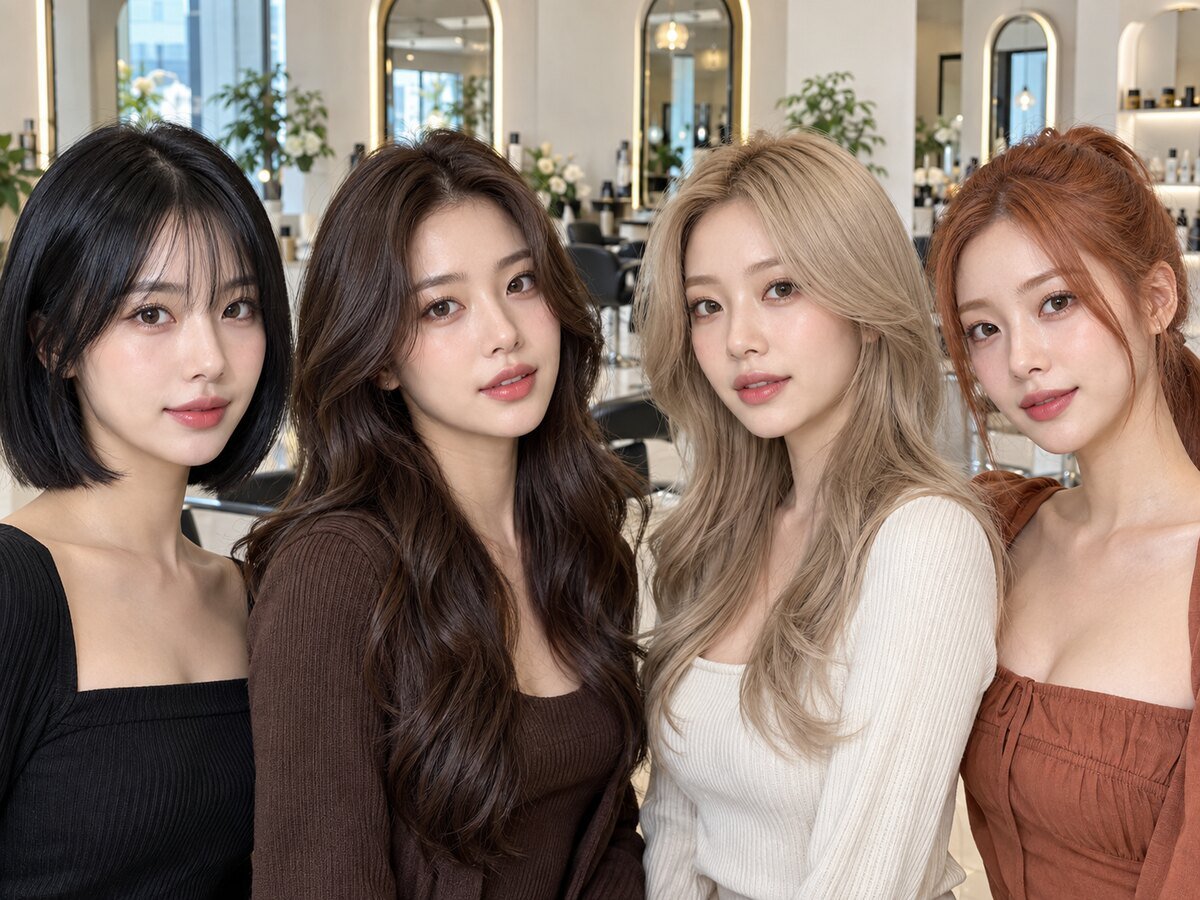
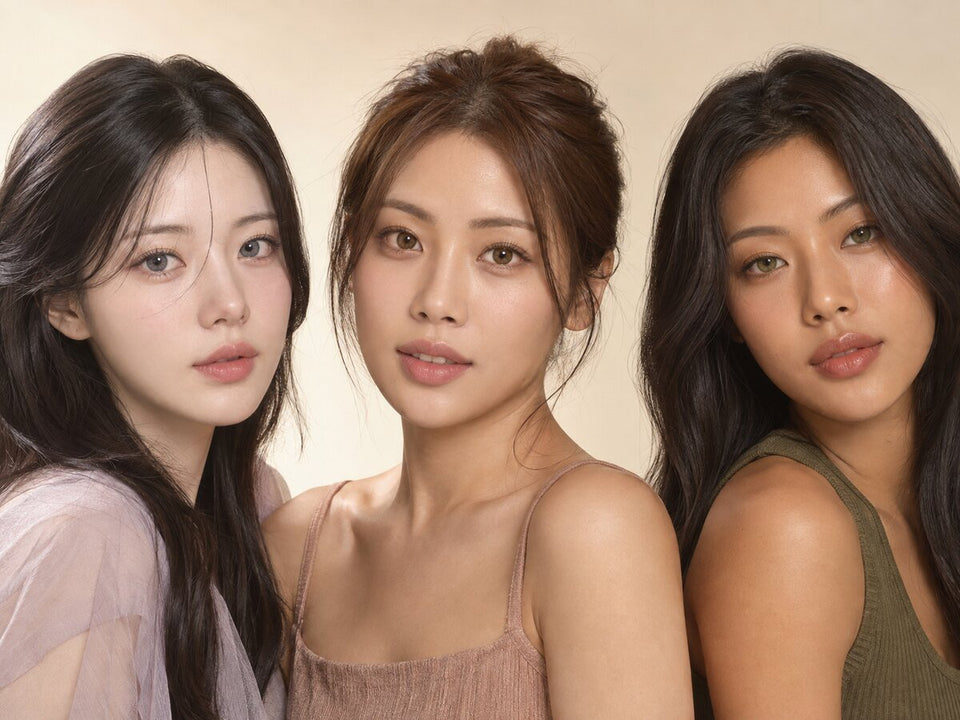
To coordinate colored contacts with black, brown, blonde or copper hair, decide whether the eyes should continue your existing palette or provide a separate accent. Then compare the exact lens pattern and available full-face references. Hair color is a creative starting point, not a rule about which lens you must wear or evidence that a product will suit your eyes medically.
In this guide

How to match contact-lens color to your hair without a rigid rule
Hair color is one part of the portrait. Your roots, highlights, brows, lashes, skin, clothing, and natural iris all sit in the same frame. Start by deciding whether you want the eye to continue the colors already present or introduce a clear accent. That relationship matters more than a chart that assigns one lens shade to each hair shade. A brown contact can create a quiet connection with black hair, while a gray contact can be a deliberate contrast. The same pair may feel different after a haircut exposes more of the face or after you change your brow makeup.
Look at the hair closest to your cheeks in ordinary light. If your hair has dark roots and lighter ends, the face is framed mainly by the roots in some hairstyles and by the lighter strands in others. If you have a fringe, it may make the eyes appear more defined before any contact is added. Tie your hair back for one comparison and wear it normally for another. The purpose is to understand the styling relationship, not to predict a medical outcome from hair color.
Choose continuity or contrast
For continuity, use a lens color that shares some depth or warmth with hair near the face. The shades do not need to match exactly. For contrast, let the eye introduce a new temperature or color while keeping makeup simpler. Try writing one brief for each direction: “warm brown eye with dark hair and soft liner” and “cool gray eye with dark hair and familiar lip.” Those briefs tell you what to photograph and which catalog families to explore.
Then ask how much definition you want. A color can be close to your hair palette while its printed outer ring creates a strong eye shape. A contrasting color can feel subtle if the pattern edge is diffuse. Separate hue from border strength in your notes so you do not reject an entire color family because one design was too graphic.
Black hair: control the eye's visual weight
Black hair can form a deep frame around the face. With a connected palette, consider a brown or choco direction and compare whether the lens introduces warmth, definition, or both. With a contrast palette, a gray or green direction can become an accent. None of these colors is required; the useful question is whether the eye sits in balance with the hair, brows, and makeup you actually wear.
If you have a blunt fringe or dark brows, test the lens with your normal hairstyle. A strong printed ring, dense lashes, and a fringe can create several dark boundaries around the same small area. If that is more dramatic than you want, soften liner or lashes before changing the contact. If you like the graphic result, keep it as a deliberate style choice. A portrait at conversation distance will show that balance better than a cropped eye photograph.
Brown hair: use roots and highlights as separate clues
Brown hair is rarely one uniform shade. Dark roots may suggest a deeper eye palette, while caramel or lighter highlights may invite a warmer accent. You can echo either part. For a low-contrast look, compare brown-family prints and their outer edges beside your usual makeup. For a clearer accent, try a gray or olive direction against the brown frame. Avoid deciding from the words “brown hair” and “brown contacts” alone; the actual depth and print matter.
Make two photographs with the same lens and makeup: one with hair pulled away from the face and one with your usual part. If the lens seems more noticeable in only one arrangement, hair placement is part of the effect. This is valuable information for a style decision and can prevent an unnecessary product change.
Blonde hair: decide how much definition you enjoy
Blonde hair can frame the eyes softly or create strong contrast with darker brows. Compare the brow and lash line before choosing a lens. A deep-looking iris may give the face a defined center; a lighter-looking print may maintain a gentler relationship. Neither effect belongs exclusively to one hair shade or skin undertone. Start with the styling goal: familiar, softly changed, or intentionally contrasted.
Do not treat “ash blonde means gray contacts” or “golden blonde means brown contacts” as a rule. Those labels can organize ideas, but you may prefer a mixed palette. An ash hairstyle with a warm brown eye can be deliberate, while golden hair with a cool eye can be equally intentional. Use a full-face image in consistent light and decide whether you like the result as worn.
Copper hair: choose an echo or a cool accent
Copper ranges from subdued reddish brown to vivid orange. A related brown or coral-brown eye can echo the hair without matching it exactly. A blue or gray direction can provide cool contrast. Start with your actual hair color in daylight and the makeup you normally wear. A copper outfit board created on a screen may not reflect how your own hair photographs under warm indoor light.
If the lens is the accent, let makeup support the relationship. A restrained eye treatment may make the new iris color easier to see, while a strong warm shadow might pull attention back toward the hair. If the hair is meant to remain the focal point, a quieter lens pattern can still give the eyes structure. Compare at portrait distance before deciding that a color is too strong or too subtle.
Test the relationship in real photographs
Use the same fitted lens, makeup, camera distance, and lighting while changing only the hair arrangement. Then hold the hair arrangement steady if you compare another suitable lens. A single variable at a time lets you answer a meaningful question. If you compare a bright daylight photograph with loose hair to a dim indoor photograph with a fringe, you cannot know whether the contact or the setting caused the difference.
Take an eye detail to inspect pattern, a head-and-shoulders portrait to assess balance, and one image including the clothing nearest your face. The portrait should decide the style; the close-up explains why. If the look is for an event, repeat the portrait in a second relevant light. Phone cameras may change exposure or white balance when dark hair occupies more of the frame, so keep the setup as consistent as you reasonably can.
Make a compact note: hair arrangement, apparent lens color, edge definition, makeup, and lighting. For example, “Loose dark fringe, muted gray eye, soft liner, daylight; eye stays visible without looking heavily outlined.” That note is more useful for future styling than “gray works with black hair,” which omits the variables that produced the result.
What the catalog examples can and cannot tell you
Three KPOP2 records illustrate different directions: OLENS ViVi Ring Choco, OLENS ViVi Ring Gray, and LensVery Shimmer Coral Brown. The ViVi Ring examples list 13.0 mm graphic diameters, monthly replacement, and two lenses per box. The Shimmer Coral Brown listing gives a 13.5 mm graphic, monthly replacement, and two lenses per box. Those values help identify the exact products and plan an order. They do not prove that one will look more natural beside a particular hair color.
Read product photographs for the print and appearance, while keeping the specification table for fit and supply questions. A shared 8.6 mm base curve does not make two different brands interchangeable. The FDA advises checking the exact brand, lens name, power, diameter, and base curve, and says to obtain professional approval before accepting a substitution. Hair coordination is a styling layer after professional suitability is established.
Do not infer comfort from water content or a “natural” description. Those are product details and marketing descriptions, not an individual wear test. If a model is unfamiliar to you, settle prescription and fitting questions with your eye care professional before making it the centerpiece of a new look.
Build a small shortlist instead of a color chart
Choose two visual briefs: one connected and one contrasting. Find one or two exact, appropriately fitted products for each, rather than opening every shade in the catalog. Compare photographs taken under similar conditions. If the connected option wins, note whether warmth, depth, or soft edge made it work. If the contrast option wins, note which part of the rest of the face kept it balanced. This tells you what to look for if your hair color changes later.
If neither option works, refine the feature rather than inventing another universal rule. Perhaps you want less of a dark outer ring, a warmer center, or a lens that remains visible in indoor light. Each is a concrete next search. “A lens for blonde hair” is too broad to guide the next comparison because blonde hair and personal styling vary widely.
Finish with the exact lens and a routine you can follow
Once you like the appearance, save the full product URL, colorway, power for each eye, replacement format, and individual lens count. Keep the style note with that record so a later reorder does not depend on a vague color nickname. Recheck the current listing before purchase. A new hair color does not change your contact-lens prescription, and a new colorway should not be treated as an automatic substitute for a fitted model.
Follow the exact lens instructions and your eye care professional's advice. If you use makeup, the FDA recommends applying cosmetics after inserting lenses and taking lenses out before removing makeup. If you wear reusable lenses, use the prescribed cleaning and storage method. A coherent hair-and-eye palette is valuable only when it fits a lens routine you can perform correctly.
If you color your hair frequently, keep the lens comparison tied to the look you wear most often rather than a temporary salon photograph. Roots and fading can shift the palette during the weeks after coloring. A contact that works with several versions of your hair may be easier to style repeatedly. If you prefer one high-contrast combination for a special event, save that event look separately from your everyday choice.
A quick hair-and-contact checklist
- Look at hair near the face. Include roots, highlights, fringe, and brows.
- Pick the relationship. Decide on continuity or a deliberate contrast.
- Separate hue from edge. Record printed border and center transition, not only the shade name.
- Photograph the full face. Use consistent lighting and a normal viewing distance.
- Change one variable. Compare hair arrangement or lens direction separately.
- Confirm the exact product. Check fitted model, power, format, and box count.
- Save the winning combination. Keep the photograph and a brief note about why it works.
Hair color can inspire a palette, but it does not determine the “right” contact shade. A useful choice is one that expresses your intended relationship, appears as you like in the setting that matters, and remains within your professionally appropriate lens options.
Related categories
For visual examples, browse Brown Contacts or Colored Contacts. Treat hair color as a styling reference rather than a product filter: compare the exact shade, lens pattern, and product images under similar light.
Questions and answers
Do black-haired shoppers need lighter contacts?
No. A lighter-looking accent is one option, while a deeper or more familiar color can be another. Choose the visual relationship you enjoy and inspect the exact design instead of applying a compulsory hair-color rule.
Should brown lenses match my brown hair exactly?
An exact match is unnecessary and cannot be guaranteed from shade names. Consider the depth, outline and overall palette you prefer. Hair roots and highlights can provide different optional starting points.
Are gray lenses the only choice for ash blonde hair?
No. Gray can be one styling direction, but brown, green or another preferred color can also be explored. Use the full look and relevant references rather than treating ash blonde as a restriction.
Can copper hair work with blue contacts?
You can explore that as an intentional color contrast. The exact blue pattern and your preferred makeup balance still matter, and no combination predicts professional suitability or guarantees a photographed result.
Does changing my hair color change my lens prescription?
Hair color is an aesthetic variable, not a contact lens prescription parameter. Follow your eye care professional's guidance for the exact lens, even if you are selecting a new color for a different hairstyle.
What is the simplest way to narrow the choices?
Write one connected-palette idea and one contrast idea, then compare a few clearly identified references for each. Keep the product requirements separate and choose the relationship you personally want to wear.
Product records checked September 11, 2026. KPOP2 editorial guidance using KPOP2 product fields and the linked sources. Catalog images and design discussions are not controlled wear tests.