
Skip to content

Cart

Your cart is empty

Colored Contacts for Dark Eyes

Colored contacts for dark eyes bring the comparison back to your starting iris: look for relevant wearing evidence, a clear view of the print and the amount of change you want.

This focused selection is a starting point for comparing color and definition on brown or dark eyes, not a promise that every lens will look equally bright on every wearer.

A little color. Still you.

11 products

Sort by

Olens Scandi Olive — model portrait showing the contact lens look
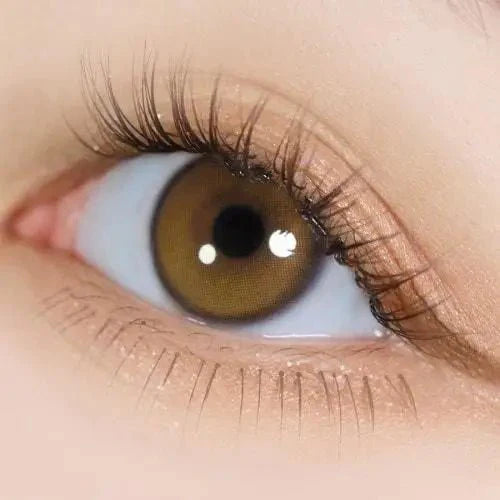
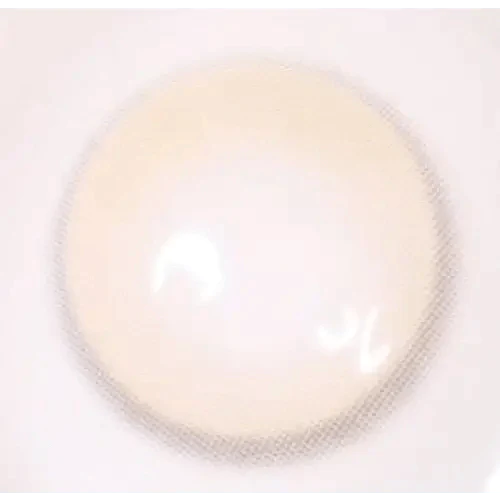
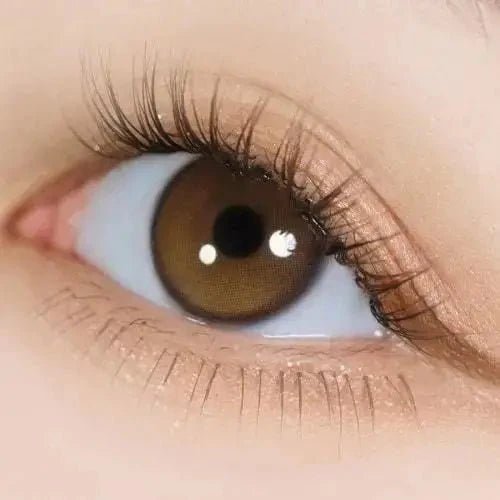
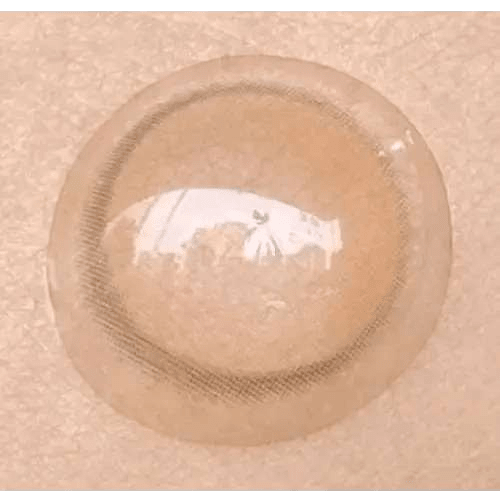
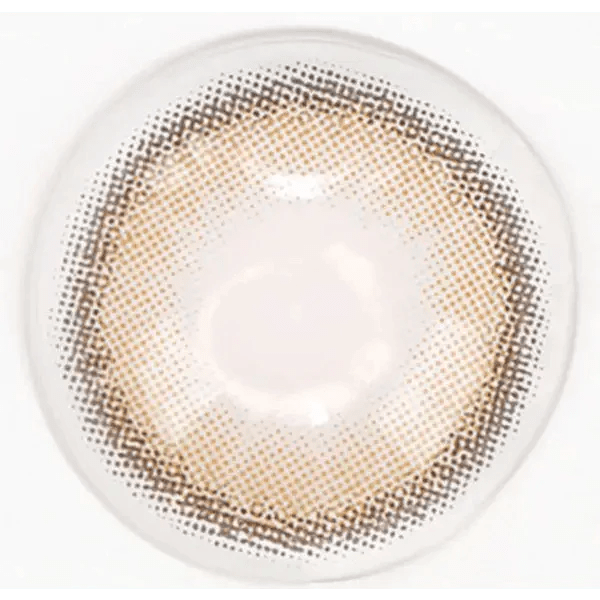
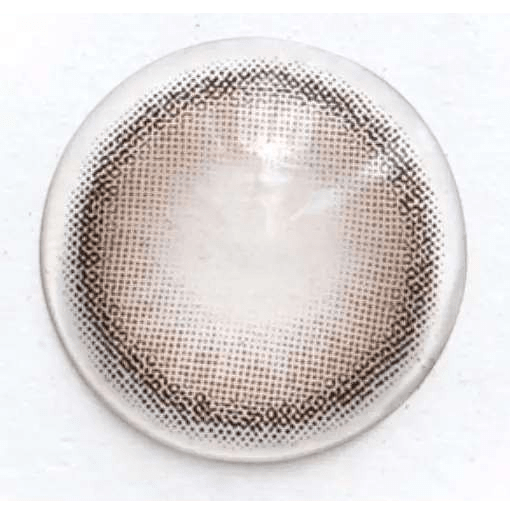
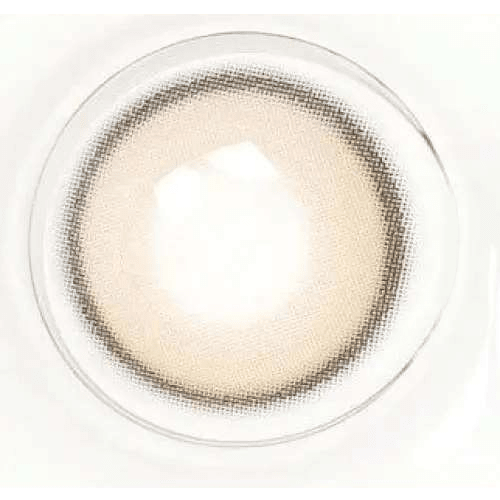
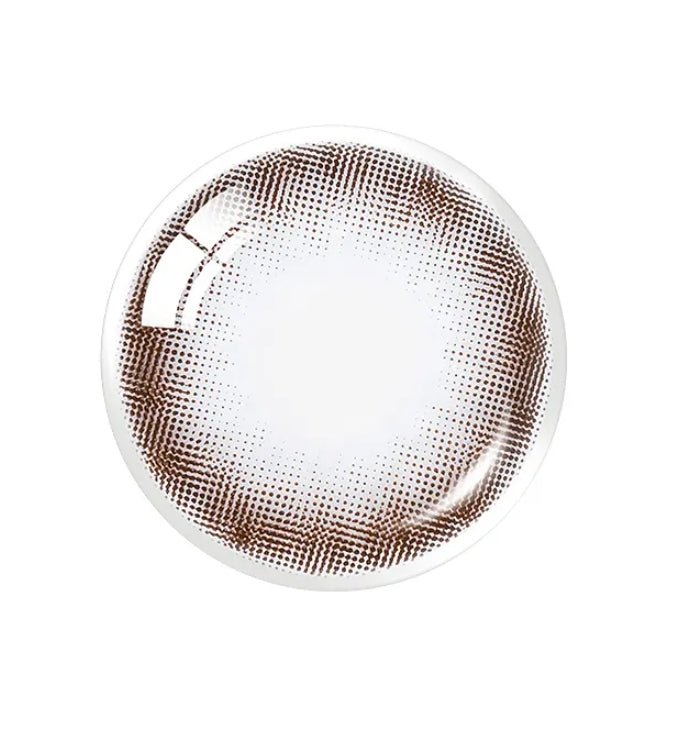
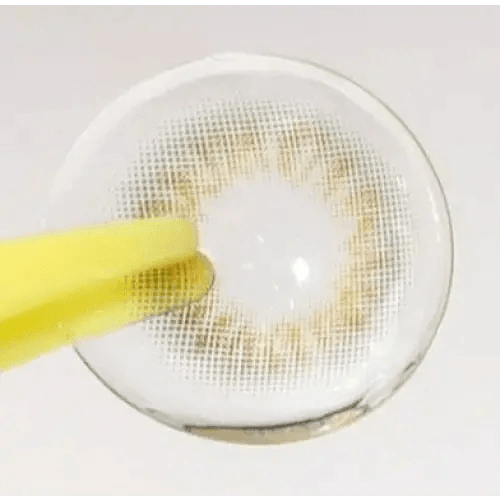
i-DOL Yurial Royal Brown — single-eye close-up showing the contact lens appearance
i-DOL Yurial Water Brown — single-eye close-up showing the contact lens appearance
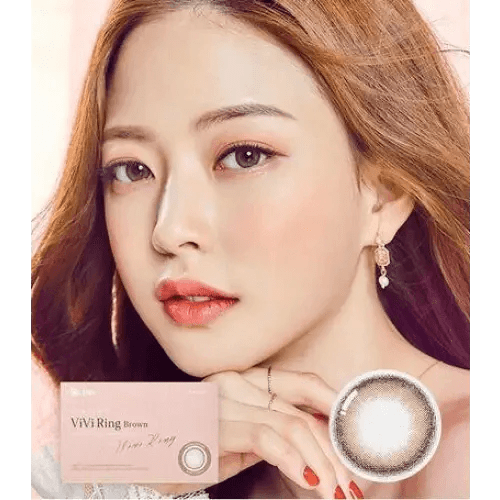
Olens ViVi Ring Brown — model portrait showing the contact lens look
Olens ViVi Ring 1Day Choco (20p) — model portrait showing the contact lens look
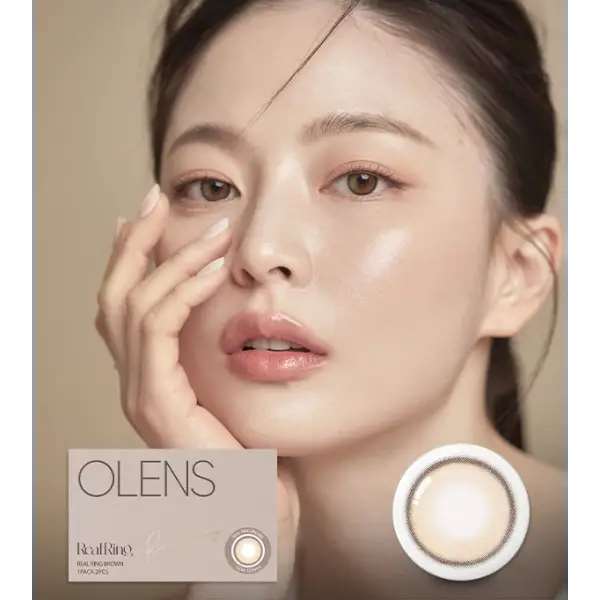
Olens Real Ring Brown — model portrait showing the contact lens look
Olens French Shine 1Day Hazel (20p)
Olens Falling Choco — model portrait showing the contact lens look
Olens Scandi Gray — model portrait showing the contact lens look
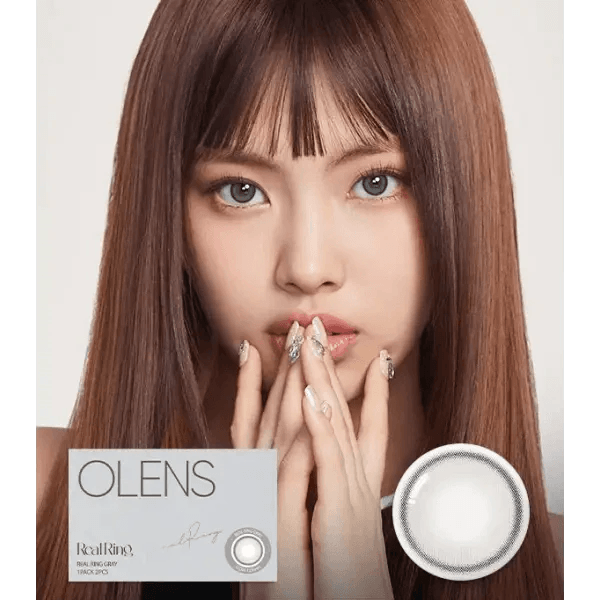
Olens Real Ring Gray — model portrait showing the contact lens look
Olola Glint Brown (10p)

Explore Colored Contacts for Dark Eyes

Start by deciding whether you want familiar depth, a warmer accent or a visible new color. Dark brown eyes do not require the same print for every goal. A defined brown outline and a lighter gray center can both be noticeable in different ways.

Treat this focused collection as a shortlist rather than an exhaustive list of every lens that might suit dark eyes. A product being absent does not establish that it cannot create the look you want.

How to Choose the Right Lens: Evidence Before Brightness

Look for the exact product and version photographed on a similar starting iris. Compare indirect daylight with ordinary indoor light, and include a normal portrait. Reposts of the same campaign image do not provide independent wearing evidence.

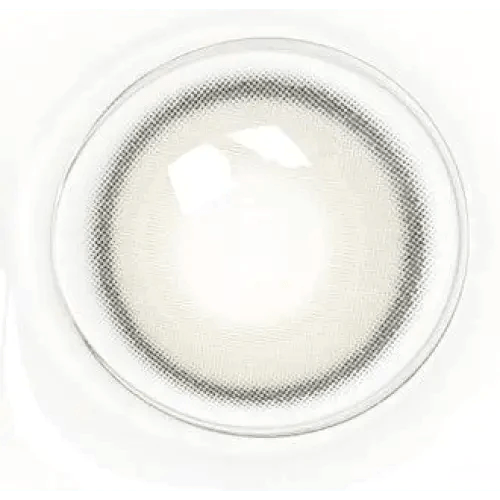
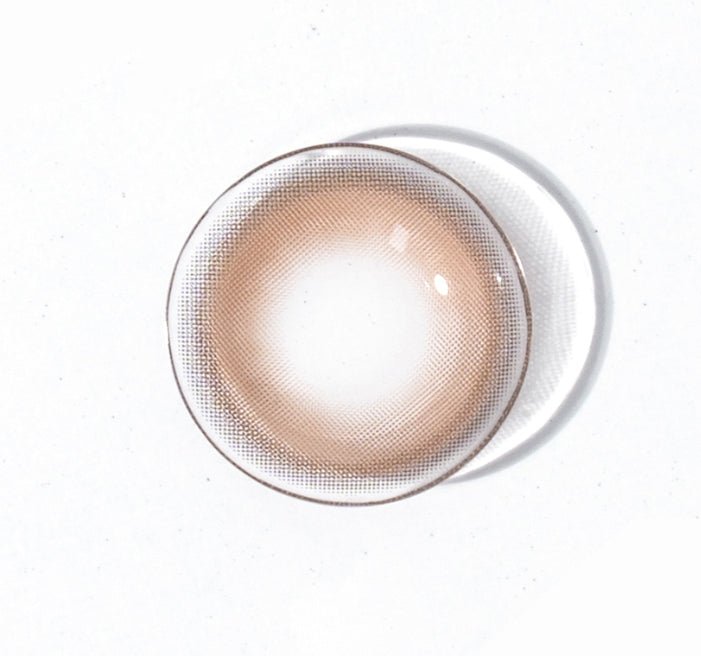
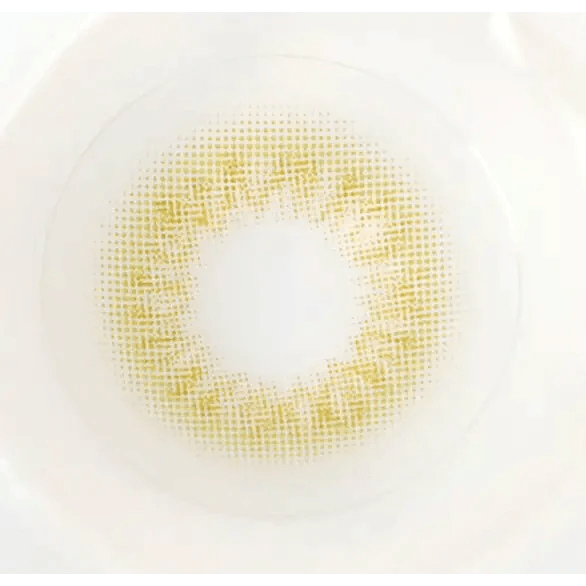
Inspect the center opening, the surrounding blend and the outside edge. Color coverage and apparent enlargement are separate features: a larger print does not automatically cover a dark iris more effectively.

For warmer directions, compare Brown Contacts and Hazel Contacts. For cooler contrast, explore Gray Contacts. If a heavy border is the problem, use No Black Rim to compare softer boundaries.

Keep a Realistic Shortlist

Choose two or three candidates with different visual goals and record the unanswered question for each. Avoid treating a review on a different color or replacement version as proof about your selected product.

Before ordering, consult Prescription Verification and compare timing through Shipping & Delivery. The dark-eyes label concerns appearance; it does not determine prescription availability or fitting suitability.

Frequently Asked Questions

Does every lens in this collection completely cover dark eyes?
No. Some designs emphasize definition or a subtle accent rather than complete color replacement. Compare the exact print and relevant wearing evidence.
Does a missing product mean it cannot work on dark eyes?
No. This is a focused shortlist, not a comprehensive test of every product. Absence should not be interpreted as a negative wear result.
Which starting eye color is the most useful reference?
Use a reference close to your own natural iris depth. A result on light brown eyes may not predict the same visible contrast on very dark brown eyes.
Can brown lenses create a noticeable change on brown eyes?
They may change warmth, center brightness or boundary definition without creating a completely different color. Decide which of those changes you want to compare.
Are gray lenses automatically more visible than brown?
No. Print density, placement and contrast matter. A shade name alone cannot rank how visible two different designs will be.
Should I buy the largest graphic diameter for better coverage?
Not for that reason alone. Printed span and color coverage describe different features. Compare them separately instead of using size as an opacity measure.
What should I inspect around the pupil?
Look at how the printed color meets the visible natural iris. A gradual blend and an abrupt transition can create different impressions at close range.
Why is a dark-eye result brighter outdoors?
Lighting and camera exposure can change the appearance. Compare ordinary indoor views as well as daylight rather than using the brightest photograph as the expected result.
Is a review of another color in the same series enough?
It can provide context but does not establish the appearance of your chosen shade. Prefer the exact color and daily or monthly version.
Does no black rim mean natural-looking on dark eyes?
Not necessarily. A pale or dense center may remain conspicuous even with a soft outer edge. Evaluate the central contrast separately.
Show More Questions
Can I choose by eye color instead of my prescription?
No. Use the collection to compare appearance, then confirm the exact prescribed product and parameters. A dark-eyes category is not a fitting recommendation.
What should I do when wearing evidence is unclear?
Keep the result marked as uncertain and ask for exact-product information. Do not treat an edited promotional photograph or an unrelated review as verification.