Style & occasions
K-Pop-Inspired Colored Contact Looks: Soft, Dreamy and Smoky Eyes

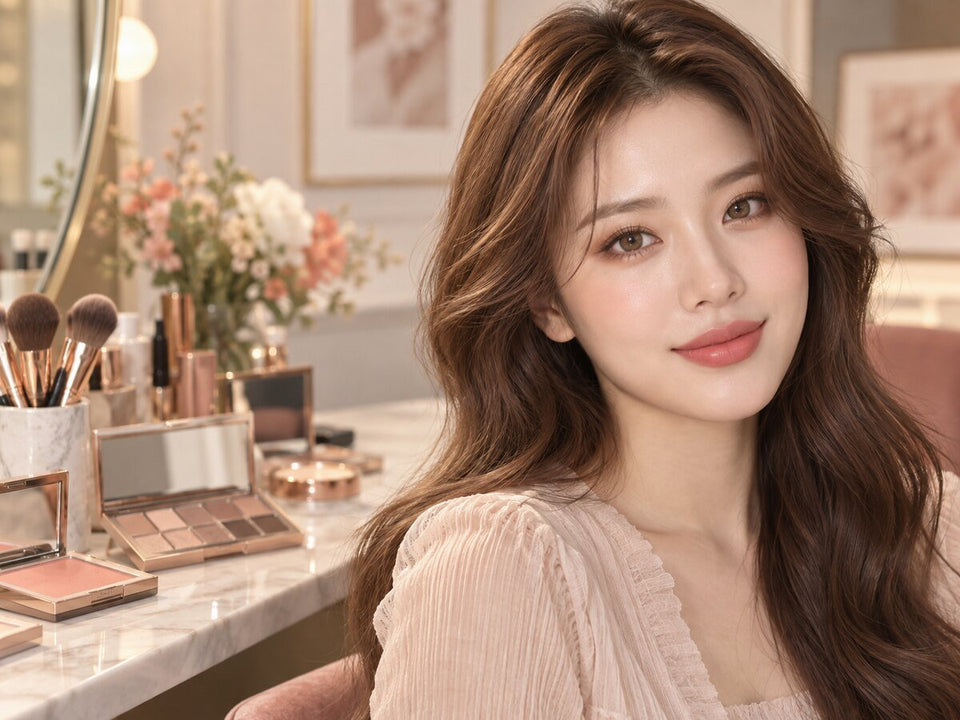
A K-pop-inspired eye look is easier to recreate when you translate its visual features instead of guessing the contact lens brand. “Soft” can mean a quiet edge, “dreamy” can mean a lighter color relationship, and “smoky” can mean stronger contrast around the eyes. None is a fixed lens category. Choose the mood, identify what creates it in the reference, and compare those details in products fitted for you. You can borrow the styling idea without claiming to wear the same lens as an artist.
In this guide

Translate the inspiration into visible choices
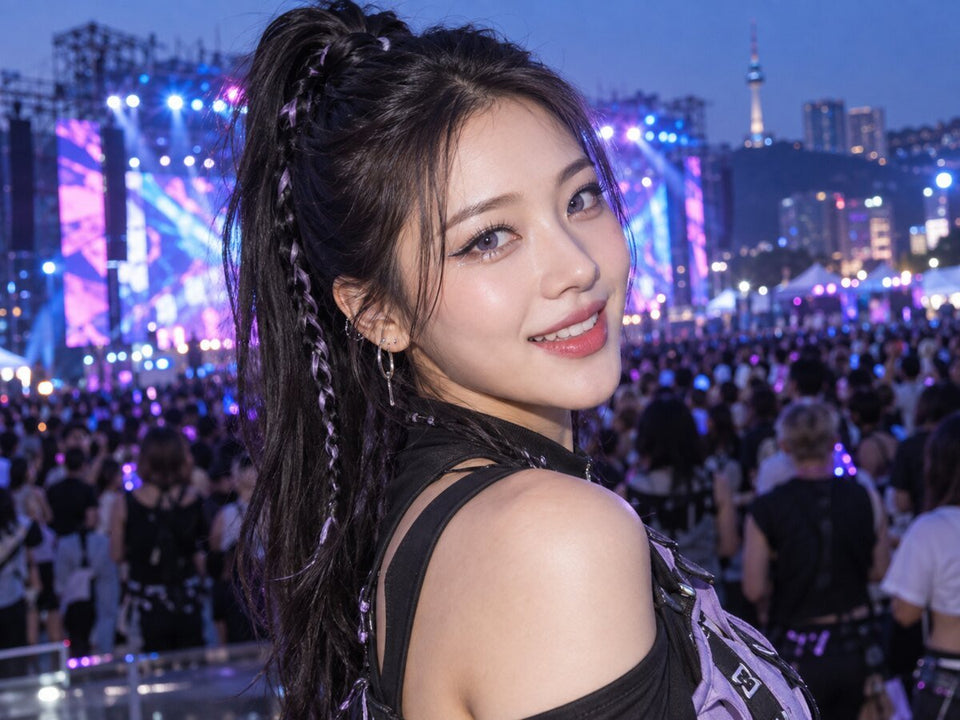
“K-pop-inspired” describes a visual approach, not a product specification. Music videos, stage images, and promotional portraits often combine contact lenses with lighting, makeup, retouching, wardrobe, and camera work. A single screenshot cannot reliably tell you the brand, colorway, prescription, or even the exact color seen in ordinary daylight. Instead of trying to identify an artist's lens, describe the visible traits you can actually compare: the apparent iris color, the printed edge, the strength of the center transition, the eyeliner shape, and the overall contrast of the face.
Use two or three reference images if possible. One dramatic stage image can exaggerate contrast. A second image from a different angle or lighting condition helps you identify what remains consistent. If the iris looks gray in one image and brown in another, mark the hue as uncertain and focus on the feature that stays visible, such as a defined ring or a softly blended edge. This small discipline prevents a shopping decision from resting on an effect created by stage light or editing.
Describe the reference without a celebrity name
Try a short brief: “soft brown iris, little visible outer ring, airy lashes”; “muted cool iris, luminous lid, gentle lip”; or “defined dark eye, blurred shadow, strong lash line.” Each brief gives you a lens direction and a makeup direction. It also works if the exact reference disappears from social media. Save the reference for visual context, but use your written brief to compare products and plan a repeatable version for your own face.
Choose the one quality you care about most. If the reference is appealing because the eyes look open and bright, the answer may lie partly in lash placement and the surrounding light, not only in a paler lens. If you like a soft editorial mood, a brown lens with restrained makeup may serve you better than a more obvious color. Your desired effect is the filter for every later choice.
Soft K-pop-inspired eyes: a controlled plan
A soft look usually keeps the edges around the iris from fighting each other. Start with one suitable, fitted lens and your everyday brow. Add a light wash of shadow or a small amount of lash definition. Take a portrait before adding eyeliner. If the printed iris edge is already clear, a darker line may make the eye feel more graphic than intended. If the print fades gently into the natural iris, a little liner may give the look structure. Softness is a relationship among features, so test it in the face rather than judging the contact package alone.
Brown and choco are useful starting color families because they may relate closely to a dark natural iris, but neither category guarantees subtlety. A brown lens with a hard ring can read more pronounced than a gray lens with a diffuse edge. The product photograph and its printed pattern therefore matter as much as the shade name. For an example of why dimensions are only one clue, KPOP2 currently lists Real Ring Brown at 12.5 mm graphic diameter and ViVi Ring Brown at 13.0 mm. Both are monthly two-piece boxes. Those facts organize a comparison; they do not tell you how either will appear on your iris or whether either is suitable for you.
Make the supporting makeup easy to repeat. Use your normal brow, one familiar neutral shadow, and a lip that lets the eye remain the gentle focus. If you want a little more polish, change only one element: perhaps blend the outer shadow a little farther or choose a softer liner tone. Photograph again in the same light. If the second version feels too strong, you know exactly which change caused it.
Dreamy eyes: light, texture, and color restraint
“Dreamy” can describe a softer overall palette, a luminous eyelid, or a diffused color relationship. It does not require the lightest lens in a collection. Begin by deciding whether the lens should be the brightest feature, a quiet center under luminous makeup, or a color echo with clothing. A gray or olive print may look more vivid against dark natural eyes than expected; a darker brown can still feel dreamy when the makeup and outfit are gentle. Test the complete portrait before buying another color.
Keep reflective makeup where you can assess it separately from the lens. A sheen on the lid may catch light in a photo and make the iris seem brighter, but that is a lighting relationship, not proof that the contact has changed color. Use a matte and a softly luminous version with the same lens and camera position. Decide which one produces the mood you want. If both look similar in normal light, there is no need to rebuild the palette around a product that only shows in a close-up.
One quiet anchor keeps a dreamy look personal. Keep your familiar brow shape or lip color while testing a new iris direction. This helps the result feel like you rather than a copied stage photograph. The anchor can also help you spot an overcorrection: if every surrounding color becomes pale at once, the face may lose the contrast you normally enjoy. Reintroduce one familiar feature and compare again.
Smoky eyes: place the darkness deliberately
Smoky styling comes largely from shadow shape and depth around the eye. It does not demand a black contact lens. A brown, gray, or another fitted color can all sit within a smoky makeup plan. Before changing the lens, test two shadow placements with the same pair: one concentrated close to the upper lashes and one blended outward. The first may leave the iris more visible; the second may produce a more dramatic overall eye shape. Choose based on the full face and your intended setting.
Examine the lower lash line separately. A dark lower line can close the visual space around the eye when combined with a strong printed ring. If the look feels heavy, soften either the lower line or the upper edge before assuming the contact color is wrong. Dense false lashes, dark brows, and a sharp outer ring can also compete. Pick one or two strong boundaries, then let the other features support them.
For a photo event, make a quick rehearsal in the lighting you expect. A look that feels balanced in a bright mirror may read darker under warm indoor light. If you cannot match the venue, compare in at least one daylight and one indoor setting. Do not infer an exact lens color from stage photographs where colored lights and processing can change the appearance of the iris.
How to compare soft, dreamy, and smoky versions
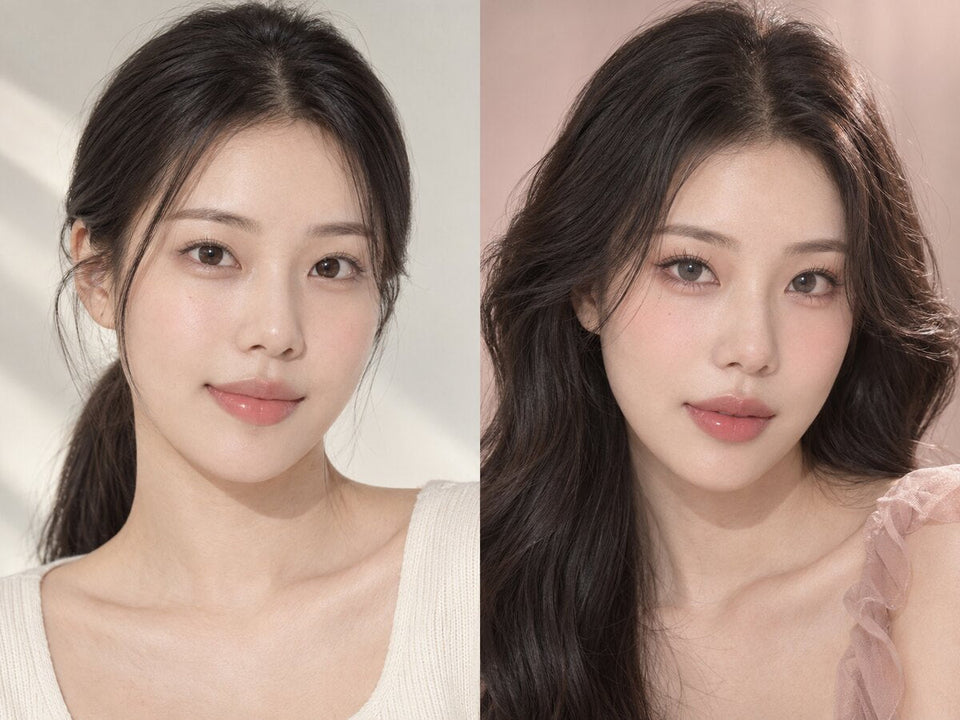
Use a simple comparison sheet with the same suitable lens, clothing neckline, and camera position for the first pass. For the soft version, reduce hard lines around the eye. For the dreamy version, keep the lines restrained and adjust lightness or sheen in the surrounding makeup. For the smoky version, add shadow depth deliberately. This lets you see what the makeup contributes. Once you know which treatment you prefer, you can compare a second fitted lens design without changing the makeup at the same time.
| Look | Main visual question | First makeup change | Watch for |
|---|---|---|---|
| Soft | Does the iris blend into the face? | Soften liner or shadow edges | A strong printed ring plus heavy liner |
| Dreamy | Does lightness feel intentional? | Compare matte and subtle sheen | Lighting making a shade appear different |
| Smoky | Where should the depth sit? | Compare lash-line and outward blending | Several dark boundaries competing |
Take an eye crop to understand the print and a portrait to make the actual styling decision. A crop magnifies texture, while most people encounter the full face. Add one image with hair and clothing if the look is for an event. Keep filters off and try to use similar exposure. A version that wins only because it was photographed under different light has not had a fair comparison.
Write down the answer in ordinary language: “Soft version keeps the ring visible but does not make the whole eye look outlined,” or “Smoky version works when the lower lash line stays light.” Such notes guide future purchases better than a saved collage with no explanation. If you cannot tell the difference between two versions in a full-face image, the practical choice may be the one that is easier to repeat.
Check the exact product record before buying
A mood board cannot tell you the lens count, replacement schedule, power, base curve, or overall diameter. Review the current listing for the exact model and variant, then check the prescription and fitting information that applies to you. This is especially important when comparing product families whose packaging differs. KPOP2 currently lists Scandi Gray as a monthly two-piece box and Misty Natural Choco 20p as a daily 20-piece box. A purchase comparison based only on color would miss the different routines and quantities.
For Canna Roze Olive Green, the current storefront displays conflicting replacement descriptions: the product title and top badge say monthly, while its detailed specification section says 3–6 months and the specification field says six months. Verify the intended schedule with KPOP2 and the manufacturer instructions before ordering or wearing this exact model. Its listed one-lens box also means a pair may require two units. A style recommendation should never conceal a product-data discrepancy.
Do not treat a graphic diameter as a measurement of comfort or a guarantee that a lens will look natural. It describes the printed area, while suitability depends on professional fitting and the exact product parameters. Cosmetic lenses still require appropriate prescription and care. If you are unsure whether a design is suitable for your eyes, resolve that with your eye care professional before building a look around it.
Make your chosen look repeatable
Once you have a result you like, keep the exact lens version and a short list of meaningful makeup choices. You do not need to purchase every product in the reference photograph. Record which line was softened, which shadow placement worked, and which lighting made the color readable. This turns the inspiration into a practical routine you can use again.
Follow the contact lens directions and your eye care professional's advice throughout the rehearsal. The FDA's everyday eye-care guidance says to apply cosmetics after inserting lenses and remove lenses before removing makeup. If wearing the lens causes discomfort or a concerning symptom, end the styling session and seek professional guidance. A successful portrait is never evidence that a lens is a safe substitute for your fitted prescription.
Finally, judge the look by your own brief. A soft interpretation need not look identical to an artist's image. A dreamy look need not use a light gray lens. A smoky look need not use black contacts. The strongest K-pop-inspired result is a coherent arrangement of the features you liked, adapted to your eye, makeup habits, and daily setting.
Questions and answers
Does “K-pop-inspired” identify a specific brand?
No. Here it describes a styling influence. A particular artist's lens cannot be identified reliably from an image alone, and this guide does not claim celebrity use or endorsement.
Can brown contacts create a dreamy look?
Yes, as a styling direction. Softer surrounding colors and a less assertive edge can create the mood without a pale iris. Compare the complete face rather than assigning moods to color names.
Does a smoky look require a black lens?
No. Surrounding shadow and liner can provide the smoke effect. Gray, brown or another fitted color may support that makeup without matching its darkest shade.
Is “no black rim” the same as a soft look?
Not necessarily. Removing a dark outer band changes one feature, while color contrast and the inner print remain. Browse no-black-rim designs with that distinction in mind.
What should I do if the lens looks too bold?
Identify whether the problem is the color, outer edge or surrounding makeup. Compare one of those variables at a time. A general instruction to “go smaller” can miss the actual cause.
How do I keep the inspiration personal?
Keep the part of the reference you like and adapt the rest to your own face, clothing and routine. The goal is a look you can recognize and repeat, not an unverified replica of a stage image.
Editorial scope: These K-pop-inspired looks are styling examples, not guaranteed results on every eye. Product details should be checked on the live listing; no clinical fitting or hands-on wear test is claimed.