

A little color. Still you.





Frequently Asked Questions
Can blue contacts look subtle on dark brown eyes?
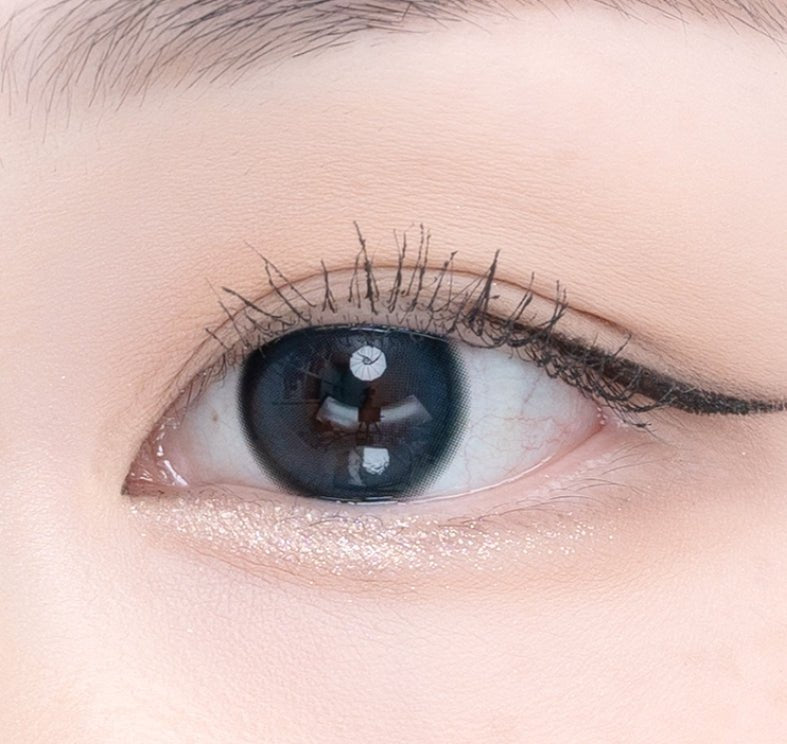
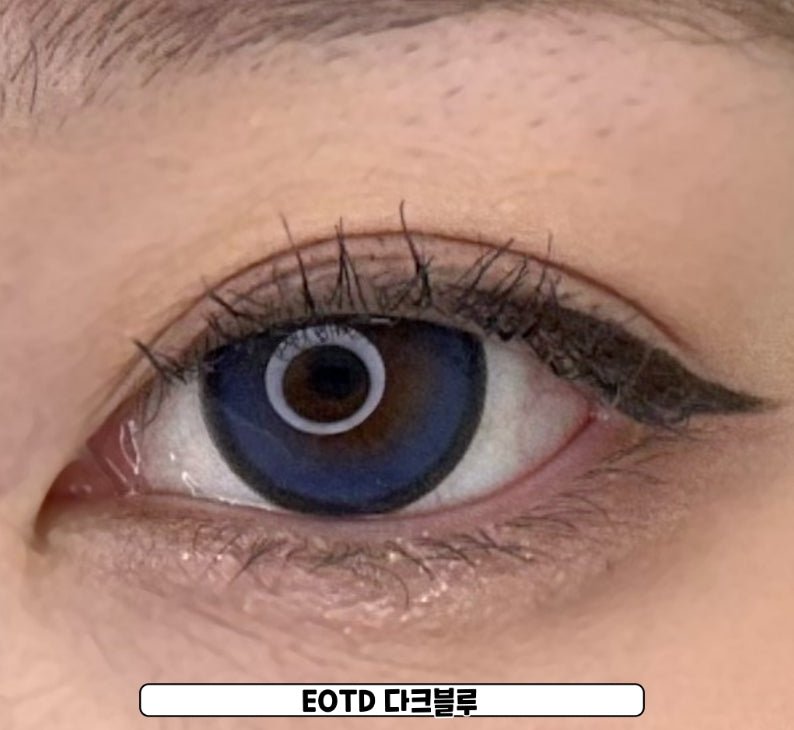
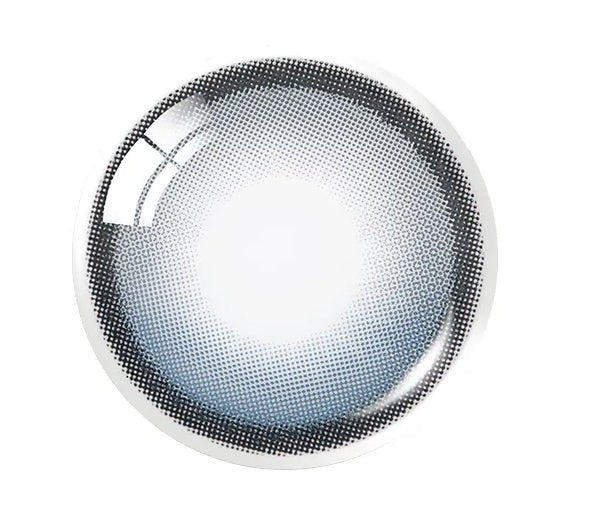
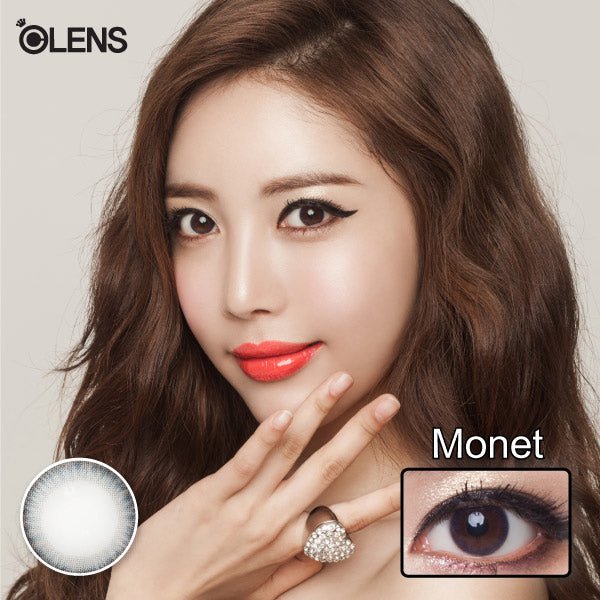
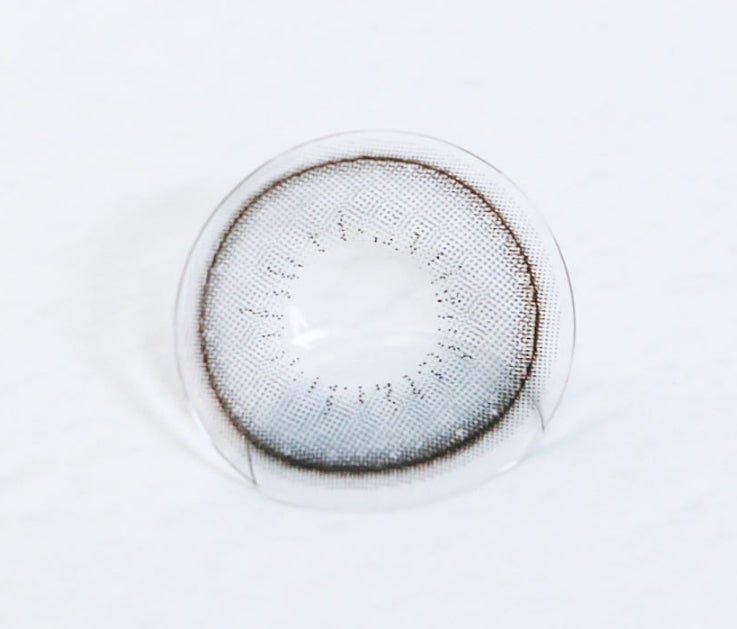
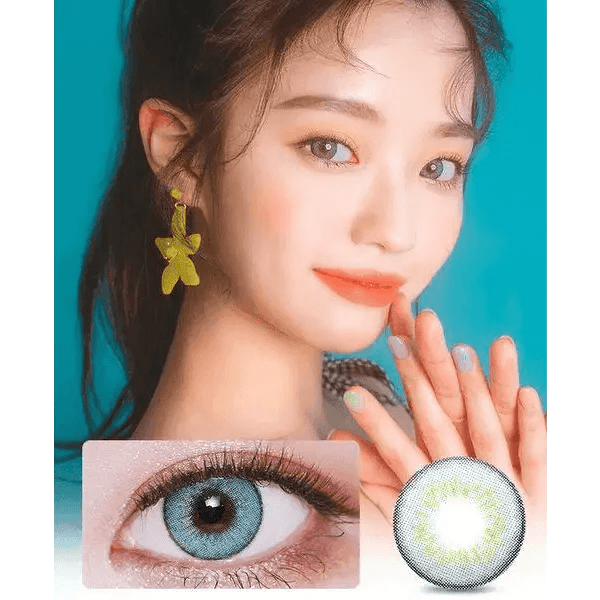
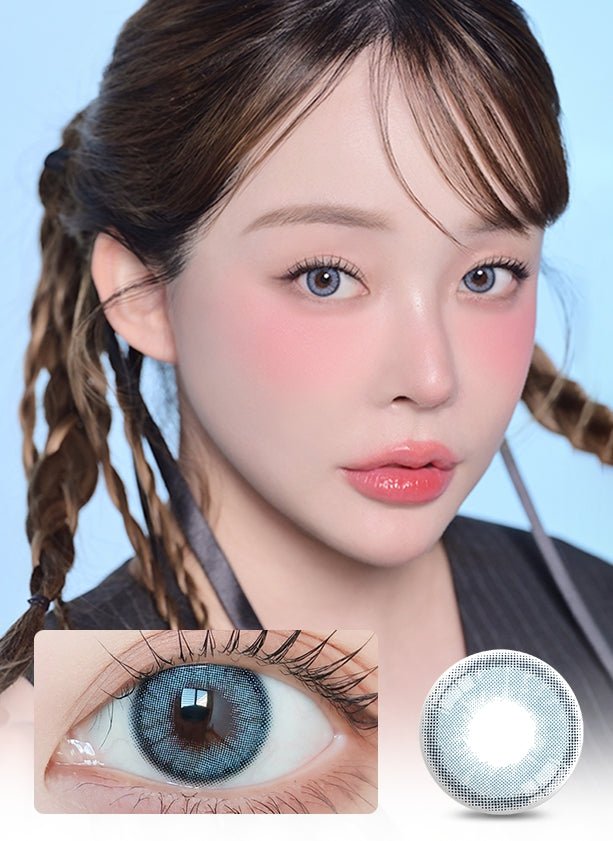
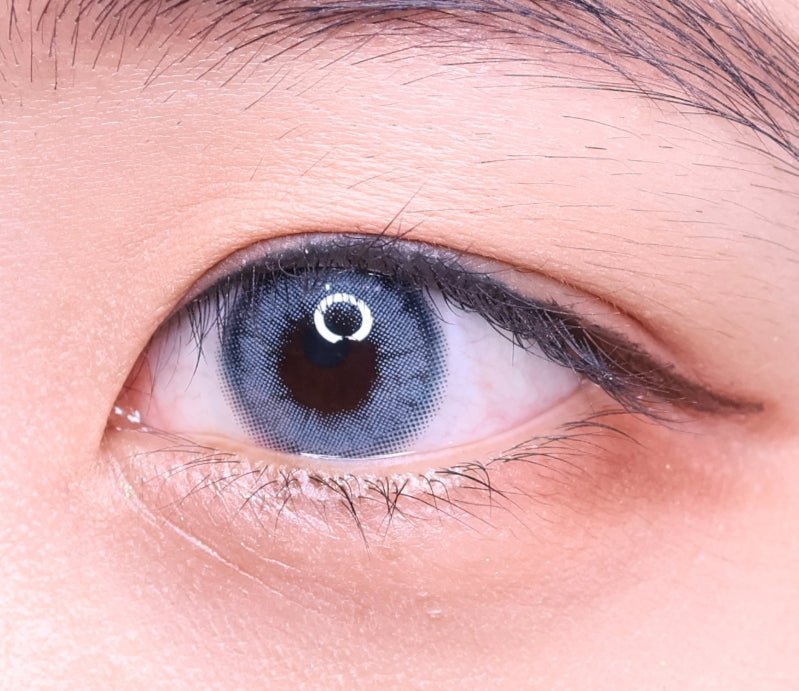
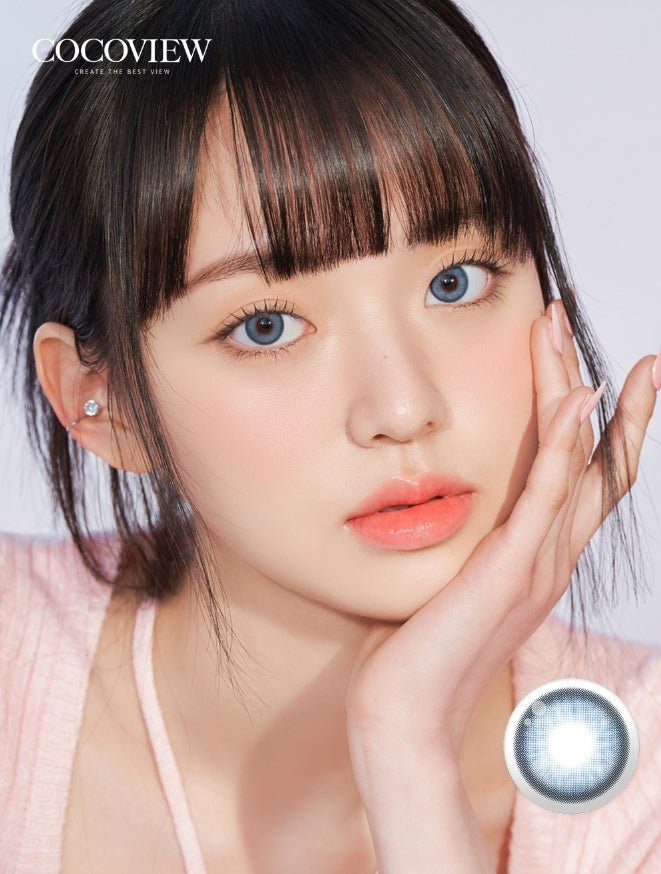
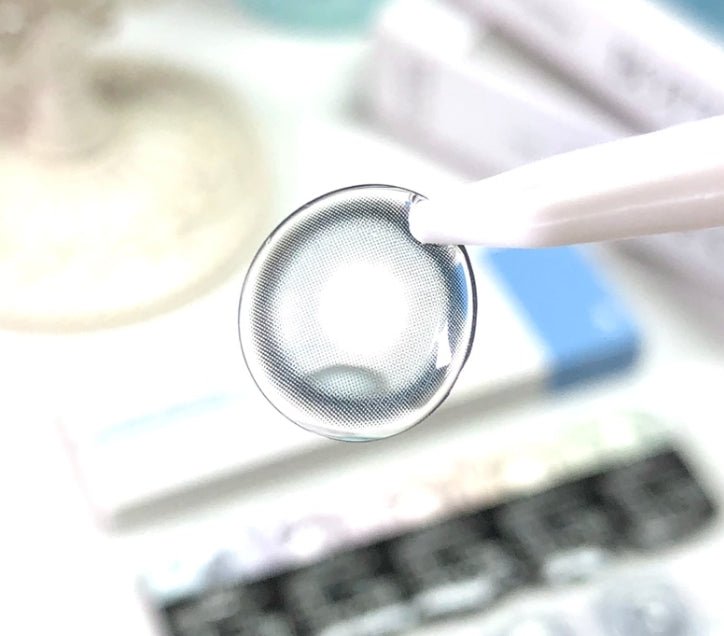
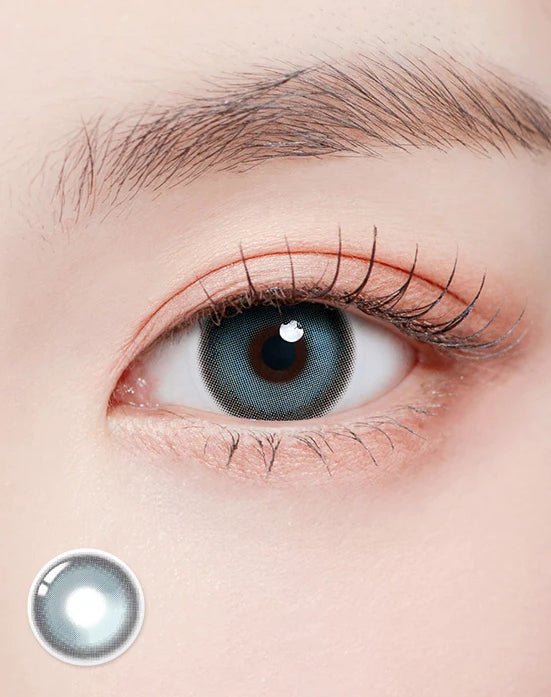
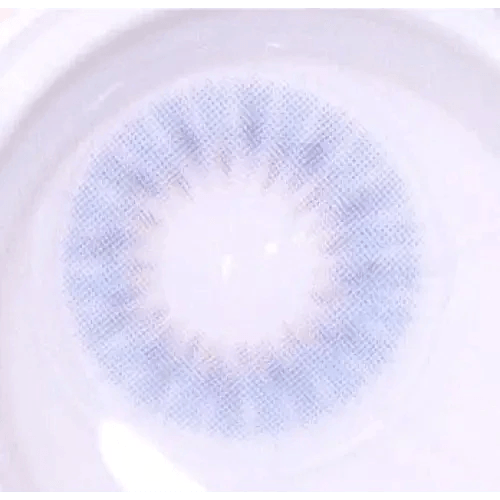
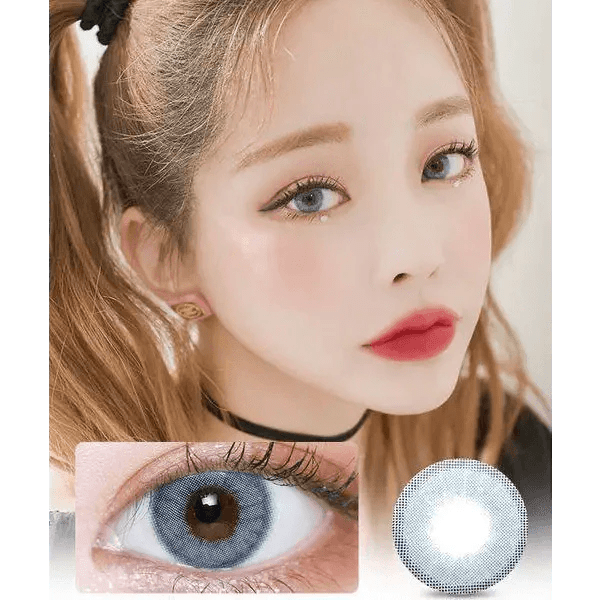
Some patterns give a subdued blue cast while others create a more obvious color change. Compare the opacity and central blend in dark-eye photos. A darker blue name or a smaller graphic diameter alone does not guarantee a natural-looking result.
How do I avoid blue that looks unexpectedly turquoise?
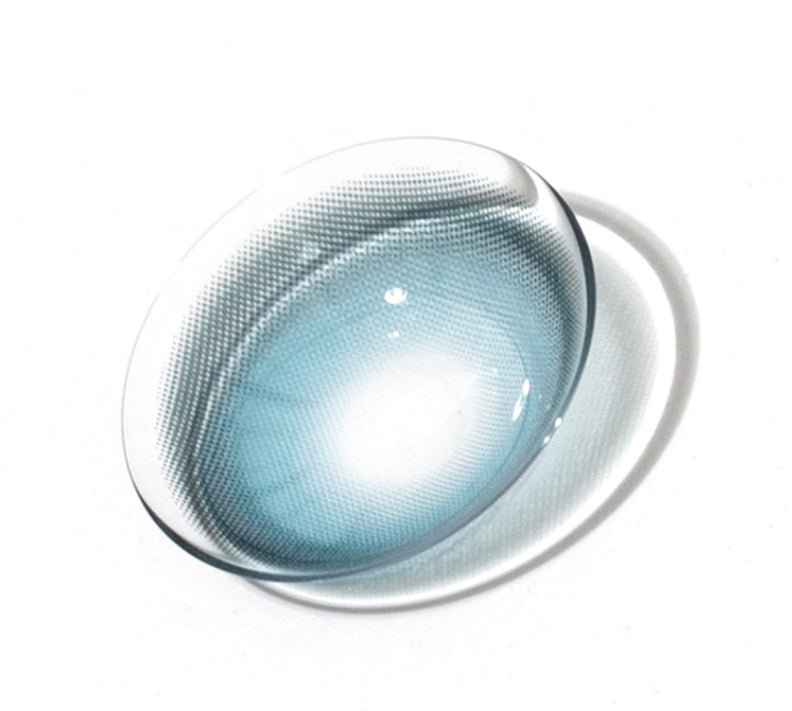
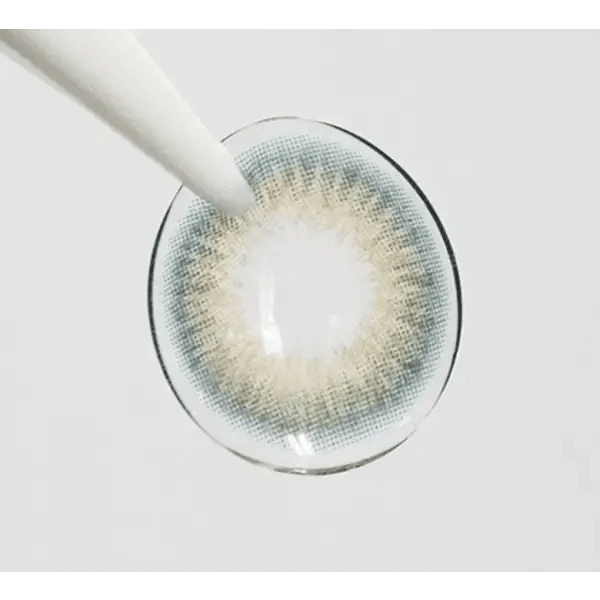
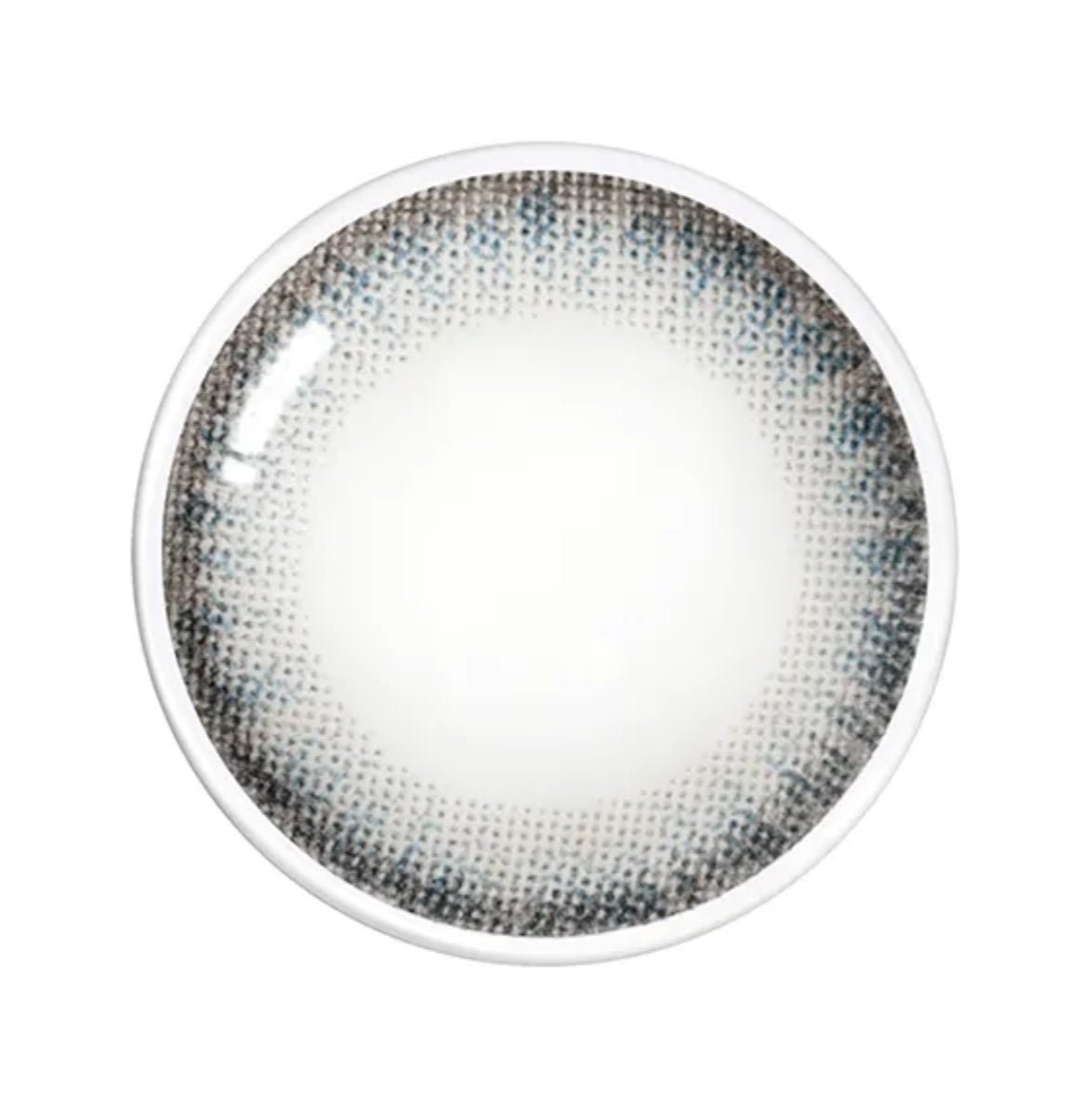
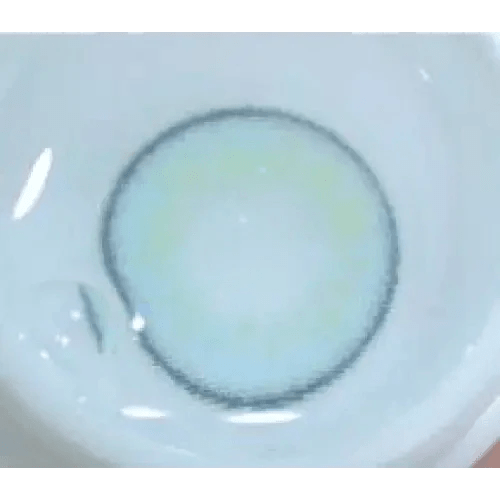
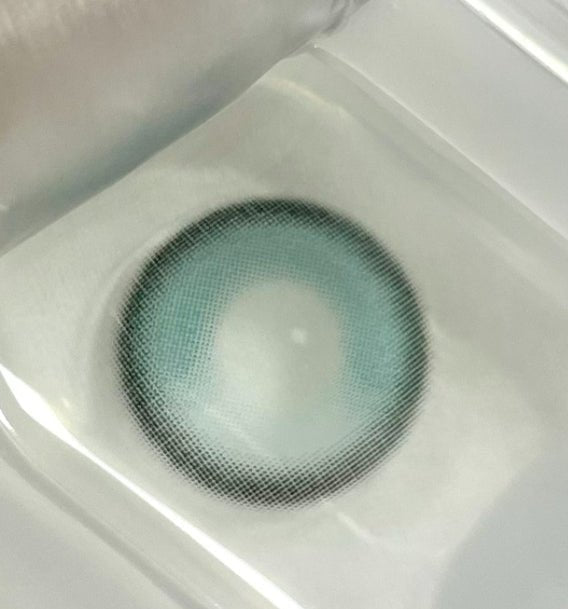
Look at the inner color, not only the outer blue ring. Yellow or warm iris tones showing through a translucent pattern can affect the overall appearance. Compare neutral-light photos and decide whether you prefer a muted blue or a more aqua-leaning effect.
Will my own light blue eyes make the lens look brighter?
The same printed pattern can interact differently with light and dark irises. Use photos on similar eyes to judge contrast, and inspect whether your own iris may remain visible near the pupil. A lens cannot guarantee the exact blue shown on a model.
Which matters more for a natural blue look: graphic size or the ring?
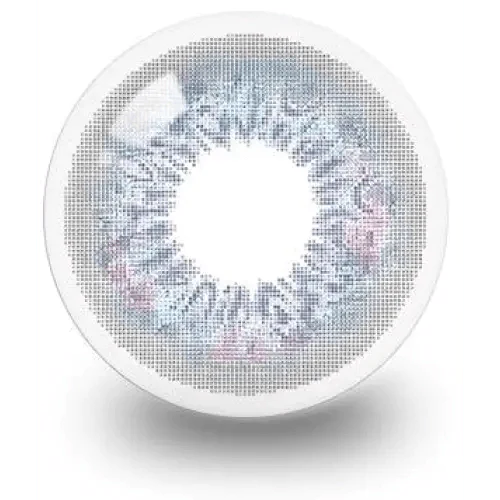
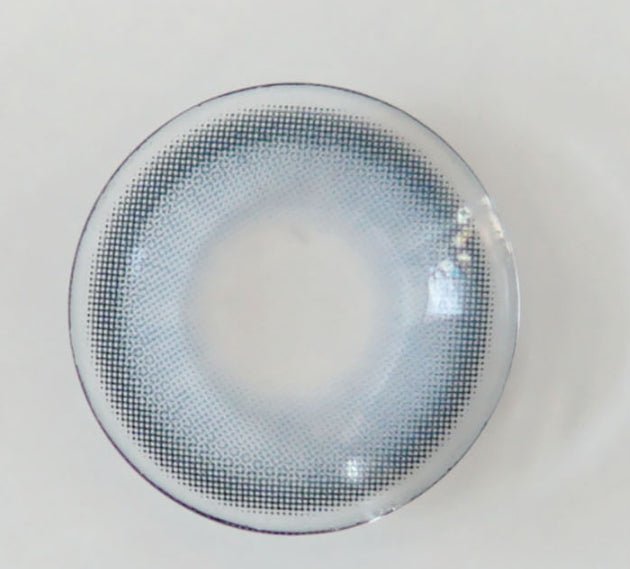
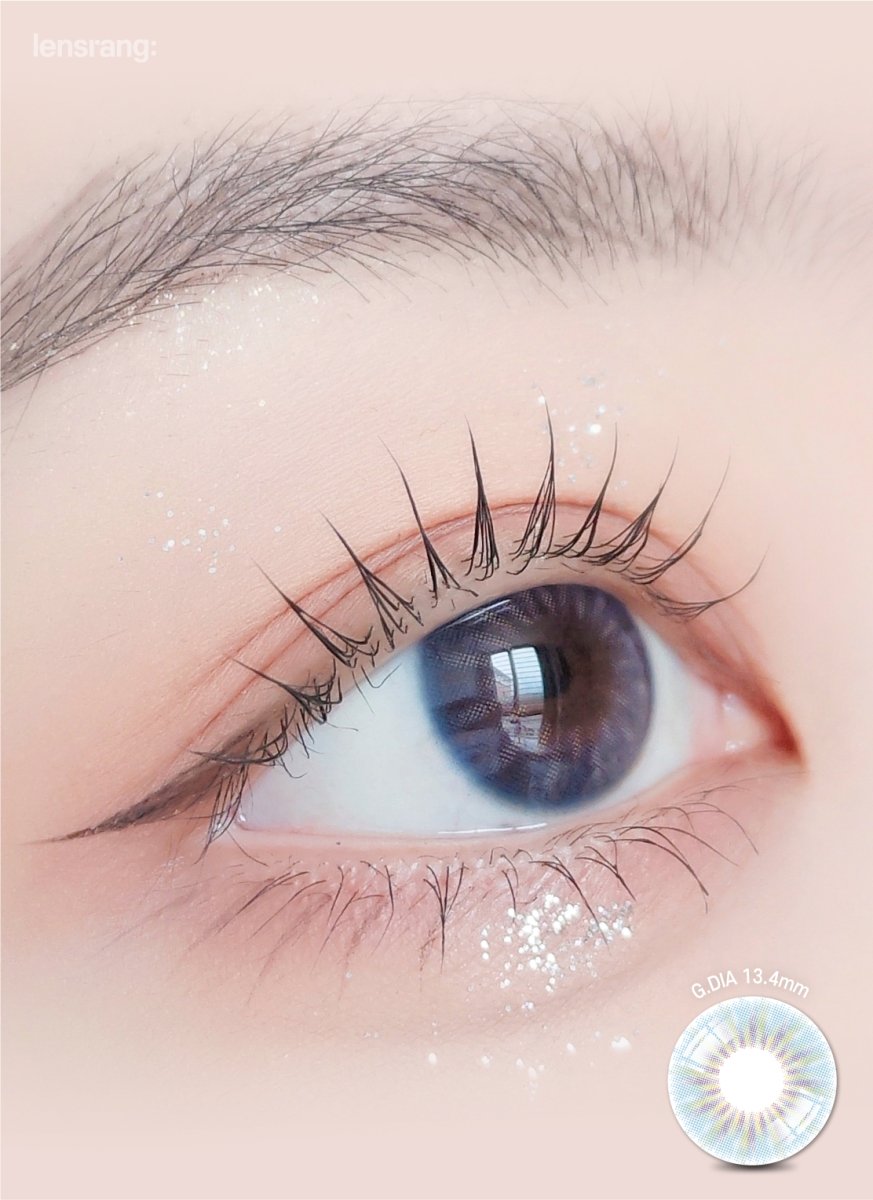
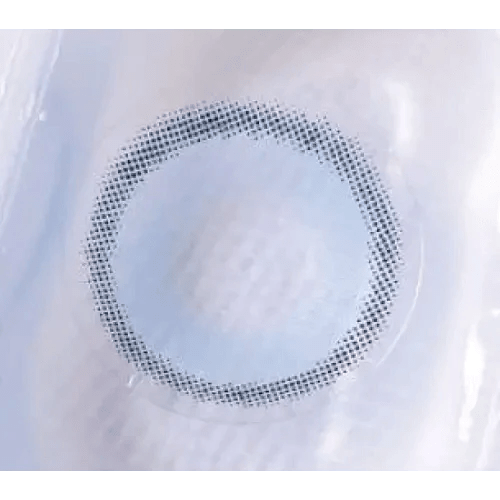
Both matter, but they answer different questions. Graphic diameter describes the printed span; a dark, solid ring changes the contrast. Compare two designs at similar printed sizes to see whether the edge, rather than size, is what you want to change.
Can I wear blue with warm or olive skin undertones?
There is no skin-undertone rule that prevents it. Compare the blue with your hair and everyday makeup in daylight: you may prefer muted contrast or a vivid accent. Choose the effect you like instead of relying on a universal 'best shade for your skin' claim.
How should I compare blue for everyday wear versus a cosplay-inspired look?
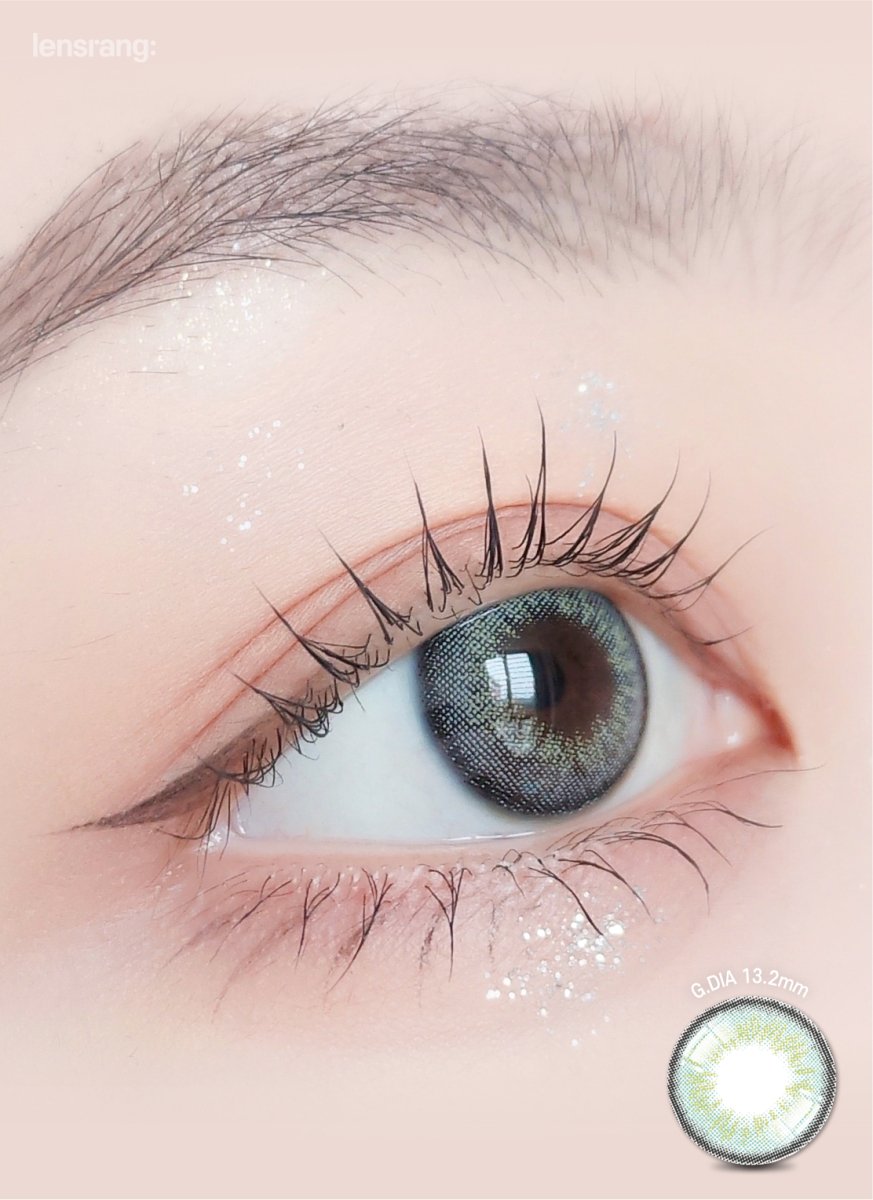
For an everyday effect, inspect the blend and border at normal face distance. For character styling, compare the actual on-eye blue under the lighting you expect to use. A standard blue lens is not automatically an opaque costume lens.
Why can the brown center of my eye still show through a blue lens?
The pupil opening and surrounding pattern do not erase every part of the natural iris. Check how the blue transitions toward the center in close-up images. If the central opening raises concerns about vision, get professional advice rather than selecting a smaller opening yourself.
If the blue I want does not come in my prescription, is the nearest power acceptable?
Do not round to an available power just to get the color. Check another prescribed design or ask your eye-care professional about an alternative. Color preference should come after the correct contact lens prescription, not replace it.
Will a softer-looking blue design be more comfortable for sensitive or dry eyes?
Soft-looking describes appearance, not how the lens will feel. Discuss dryness or sensitivity with your eye-care professional and choose the appropriate prescribed product. A lighter print, smaller graphic or higher water percentage is not by itself evidence of better comfort.
I need different powers in each eye. Can one blue multi-pack cover both?
Check whether the package contains one power and how the per-eye options are sold. The lens count is individual lenses, not automatically pairs or mixed powers. Calculate both eyes' required quantities before comparing box prices.
Show More Questions
How should I choose blue lenses for a dated event?
Confirm that your exact design and prescribed options are available, then check Shipping & Delivery. Include order preparation as well as transit when planning; do not treat an express delivery estimate as a guaranteed event arrival.
Can I return blue lenses if the color looks different after I try them?
Review the Return & Exchange Policy first. A worn lens is not a guaranteed preference return. Use several on-eye images and compare the center blend on a similar natural iris before deciding which shade to order.