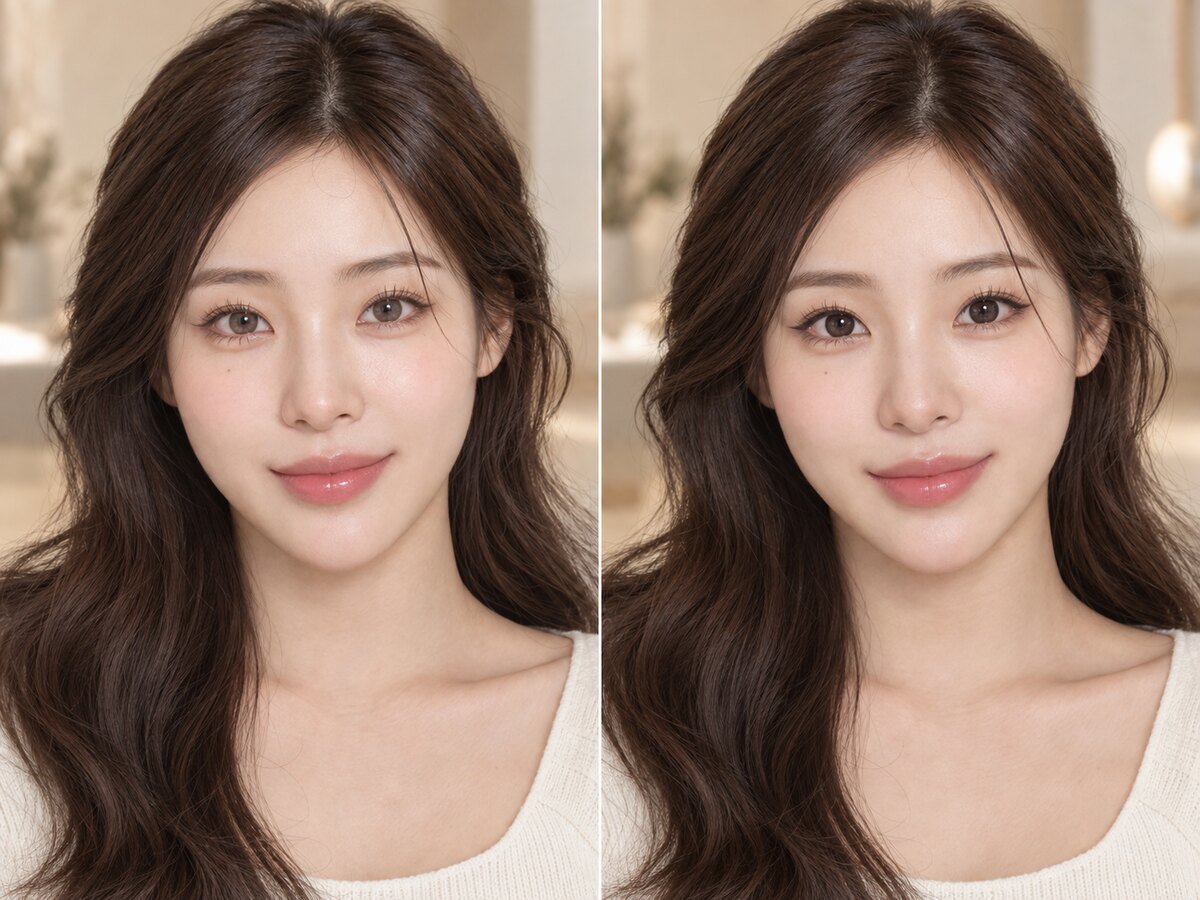

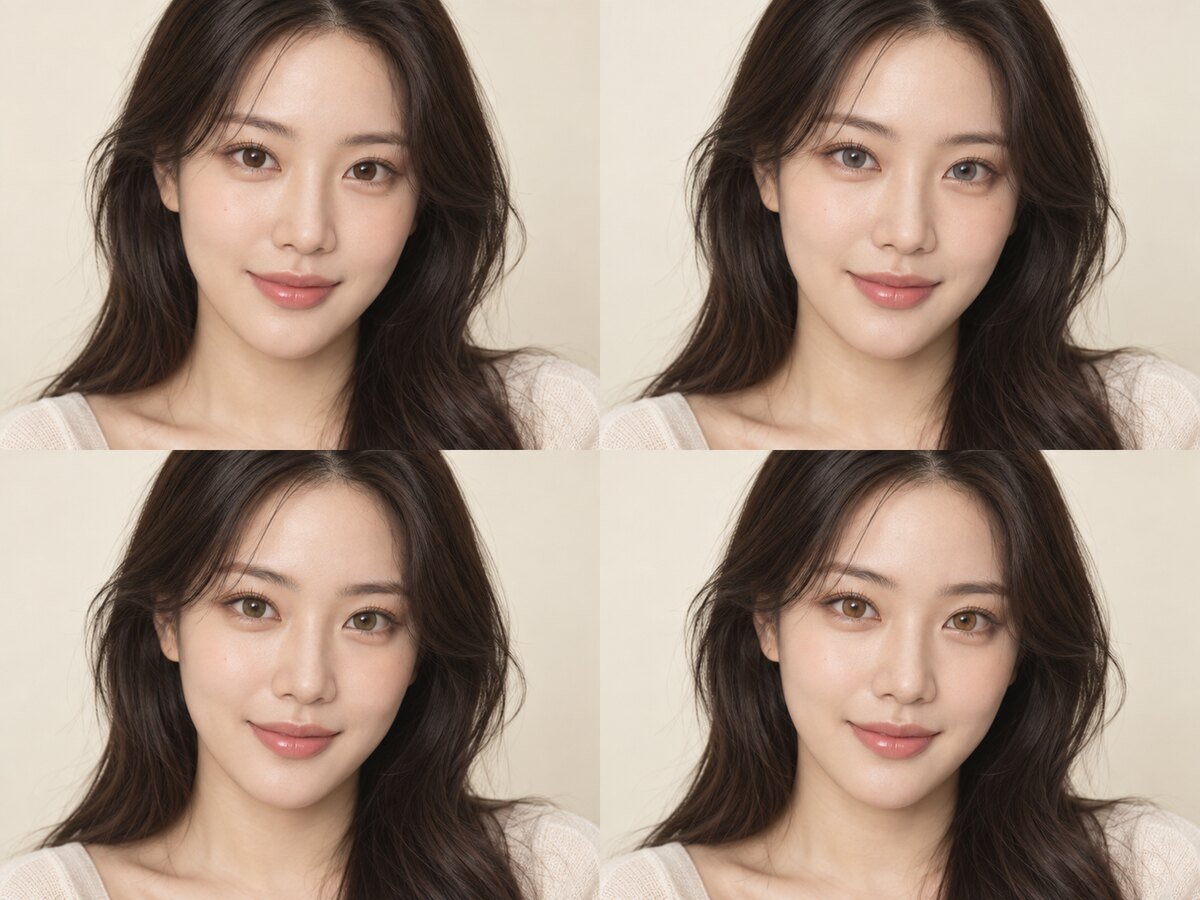
For dark brown eyes, brown and hazel contacts usually support a lower-contrast change, while gray, green and blue can create a more visible color shift when the design has sufficient coverage. The best choice depends on whether you want warmth, brightness, definition or a distinctly new color—not on a universal ranking. Compare the exact opacity, pattern, graphic diameter and real-life photographs before narrowing the professionally fitted options.
In this guide
Start with the change you want
“Best colored contacts for dark eyes” can describe very different goals. One shopper wants a warm brown that keeps the original depth; another wants cool gray that is visible in portraits. Define the result first: subtle enhancement, lighter-looking color, stronger outer definition, or a clear transformation.
Dark brown eyes can influence the visible result through the center opening and any translucent parts of the design. A high-coverage lens may show its printed color more clearly, but coverage alone does not determine whether the result looks natural.
Brown, hazel, gray, green or blue?
| Color direction | Useful goal | What to compare |
|---|---|---|
| Brown or choco | Warmth or definition with familiar depth | Center brightness and outer ring |
| Hazel or honey | Golden-brown or brown-green variation | Which accent is actually visible |
| Gray or grey | Cooler neutral contrast | Blue cast, edge softness and indoor appearance |
| Green or olive | Muted earthy change or clearer green accent | Olive warmth versus bright green contrast |
| Blue | A noticeable cool transformation | Coverage, center transition and portrait realism |
Browse brown contacts, gray contacts, green contacts and blue contacts by a stated visual goal rather than opening every shade at once.
Coverage, limbal ring and graphic diameter
Opacity describes how strongly the printed color can cover or alter the starting iris. Graphic diameter describes the stated span of the design. A dark limbal ring can increase definition even when the main color is close to brown. A softly faded edge can reduce boundary contrast without guaranteeing a subtle center.
Use the gray-on-brown guide, the olive-versus-bright-green guide and the blue-on-brown guide for color-specific comparisons. The brown, choco and hazel guide separates overlapping warm labels.
How to use before-and-after photographs
Look for the exact product and version, the wearer’s starting eye color, similar lighting and both a close-up and normal portrait. A ring light or changed white balance can make the color look brighter or cooler. Several reposts of the same promotional image are not several independent results.
Read how to compare customer photos and why a model’s result may differ from yours. Treat every photograph as a reference, not a guarantee.
Build a three-lens shortlist
- Choose one candidate close to your original depth.
- Choose one candidate exploring a new color direction.
- Choose one candidate with a different edge or graphic treatment.
- Record the exact product version and one unanswered question for each.
- Confirm which exact lens is appropriate with your eye-care professional.
If the intended result is subtle, continue with Natural-Looking Colored Contacts for Dark Brown Eyes. If makeup will be minimal, use the no-makeup comparison.
Frequently asked questions
Which colored contacts look most natural on dark brown eyes?
Brown, choco, hazel and muted olive directions are common starting points, but the exact design and desired contrast matter more than the color name alone.
Can gray contacts cover dark brown eyes?
Some designs create a visible gray direction. Check the exact opacity, pattern and relevant wearer photos rather than assuming every gray lens has the same coverage.
Do green contacts work on brown eyes?
They can create effects ranging from muted olive to brighter green. The printed design and remaining visible brown influence the result.
Can blue contacts look natural on dark eyes?
A softer blue-gray design may look more restrained than a bright opaque blue, but no shade guarantees a natural result on every iris.
Does a dark limbal ring help coverage?
It mainly changes outer definition. Evaluate the central color and overall coverage separately.
AI-assisted style and shopping guidance checked September 12, 2026. Product photographs are references rather than controlled wear tests.