Style & occasions
Colored Contacts for Wedding and Graduation Photos: A Planning Guide
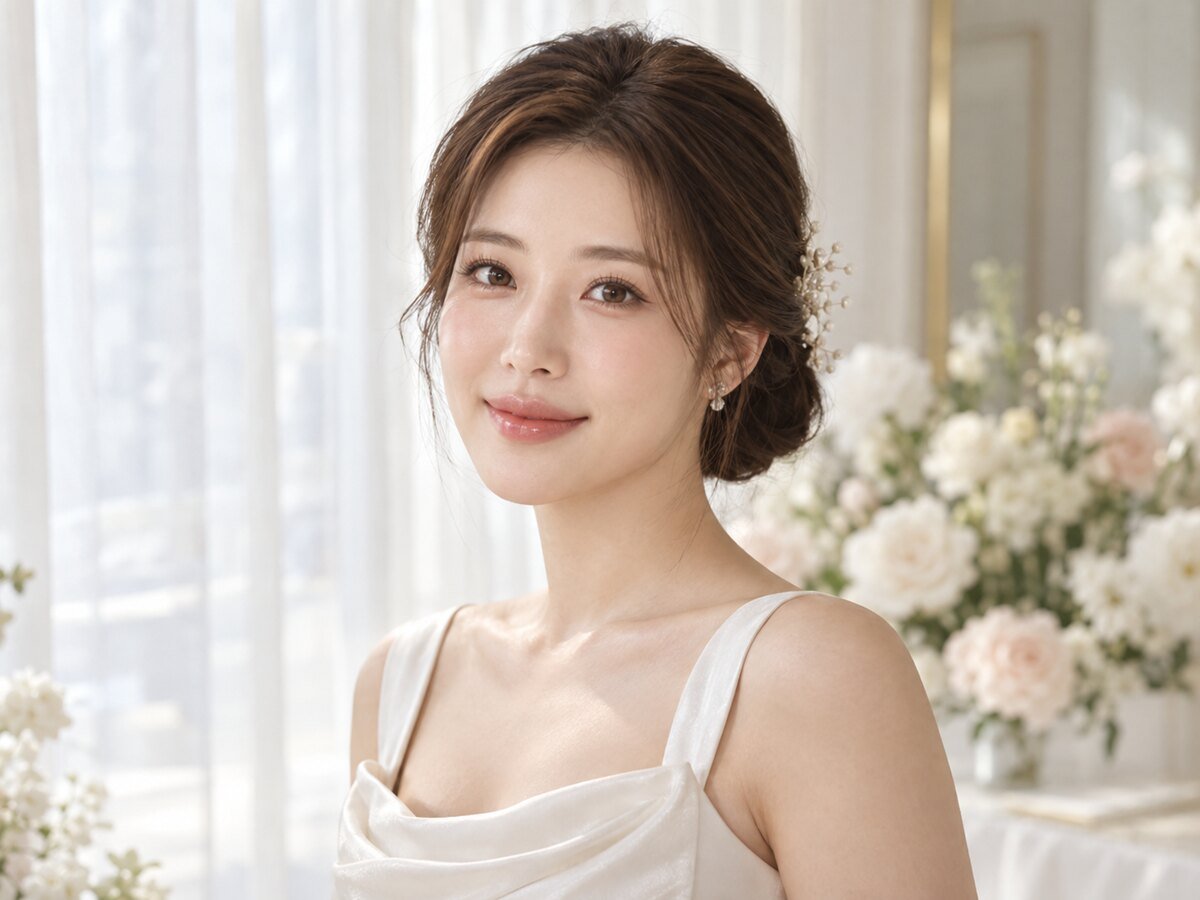
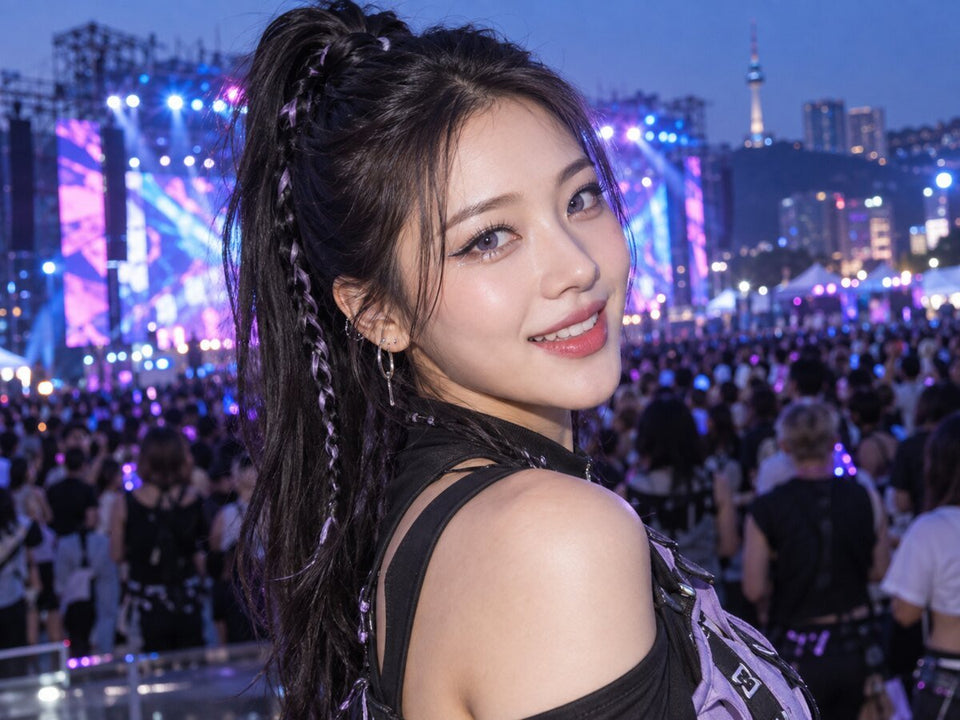
Choose wedding or graduation contacts by how they look in a full-face portrait, then check the same pair in a close-up. The most useful rehearsal includes your actual makeup, the color around your neckline, and lighting similar to the venue. A lens that attracts you in a product close-up may draw more attention than you want in a family photograph. Decide whether you want familiar definition, a gentle color change, or a deliberately styled portrait before comparing products.
In this guide

Write a brief for the photographs that will last
A wedding or graduation portrait is different from a casual trial selfie. The photograph may be printed, shared with relatives, or viewed years later. That does not mean the lens must be invisible or conservative. It means the choice should reflect your intention. Decide whether you want to look familiar with a little more definition, show a gentle change of eye color, or make the eye a deliberate part of a styled portrait. Write that intention down before comparing product names.
Choose the one image type that matters most: a family group portrait, a head-and-shoulders portrait, a close beauty image, or an outfit photograph. Then choose a second image type as a check. A lens can look beautiful in a close crop and more assertive than expected in a family picture. The reverse can also happen: a quiet design may seem unremarkable close up but make the full face look polished. Start with the image you will value, and use the second view to catch details you would otherwise miss.
Keep your natural eye color in the comparison. A lens is not a painted overlay; the visible natural iris and center transition influence the final effect. Describe the result as you see it on your eye, not only by its catalog shade. “Warm brown with a clear outer ring” or “muted gray in daylight, softer indoors” gives you more usable information than “brown” or “gray.”
Wedding photos: coordinate the eye with the whole look
Wedding styling often includes hair, complexion makeup, jewelry, flowers, and fabric near the face. Those elements matter to a contact-lens choice. An ivory neckline may make a warm brown iris feel cohesive; a cooler gray can be a deliberate contrast. Neither is a universal bridal rule. Test the lens beside the actual dress or a close fabric substitute and with the lip and brow you plan to wear.
If you are wearing stronger eye makeup, look at the relationship between the printed iris edge and the makeup edge. A pronounced contact ring plus dark liner and dense lashes may make the eye more graphic than you intended. Before replacing the contact, soften one surrounding feature and photograph again. Conversely, if you want an editorial portrait, that graphic quality may be the point. Make the decision consciously in a complete face portrait.
Ask the photographer which parts of the day will be photographed in daylight, indoor light, and evening light. You do not need a technical lighting diagram. A simple answer about the ceremony, portraits, and reception lets you rehearse in two or three relevant conditions. If a lens looks only one way in a carefully lit phone close-up, it is a weak basis for an all-day photo decision.
Give the makeup artist a clear reference
Send a normal-sized rehearsal portrait and a short note about what you like: “Keep the brown iris visible and the liner soft,” or “The gray eye should stay the main cool detail.” A tightly cropped product image cannot show the balance you want with your own hair and lip. Let the artist handle makeup; questions about contact-lens fit and use belong with your eye care professional and the exact product instructions.
Graduation photos: account for the cap, gown, and hood
Graduation clothing changes the visual frame around the face. A black gown may make an iris color feel more noticeable, while a bright hood may already supply the strongest color. A cap can cast a shadow over the eyes, especially outdoors. Rehearse with the cap and gown, or a close stand-in, instead of judging the lens in everyday clothes. Take one image with the cap and one without it, since both may appear in the final gallery.
A lens does not need to match the hood. Matching can create a deliberate theme; contrast can keep the face distinct; a familiar brown can let the academic colors lead. Choose the relationship you prefer in a head-and-shoulders portrait. If the eye becomes lost in the cap's shadow, try changing your position relative to the light before buying a brighter lens. Exposure and shadow can alter apparent color more than a subtle product difference.
Consider who will be in the photographs. In a large group shot, the eye color may be a minor detail. If family portraits are central, the full-face impression is a better guide than an extreme iris close-up. For a solo graduation portrait with intentional makeup, you may give the eye more visual weight. Use the same product choice only if it supports the priority photograph you identified.
Compare brown and choco options by more than the name
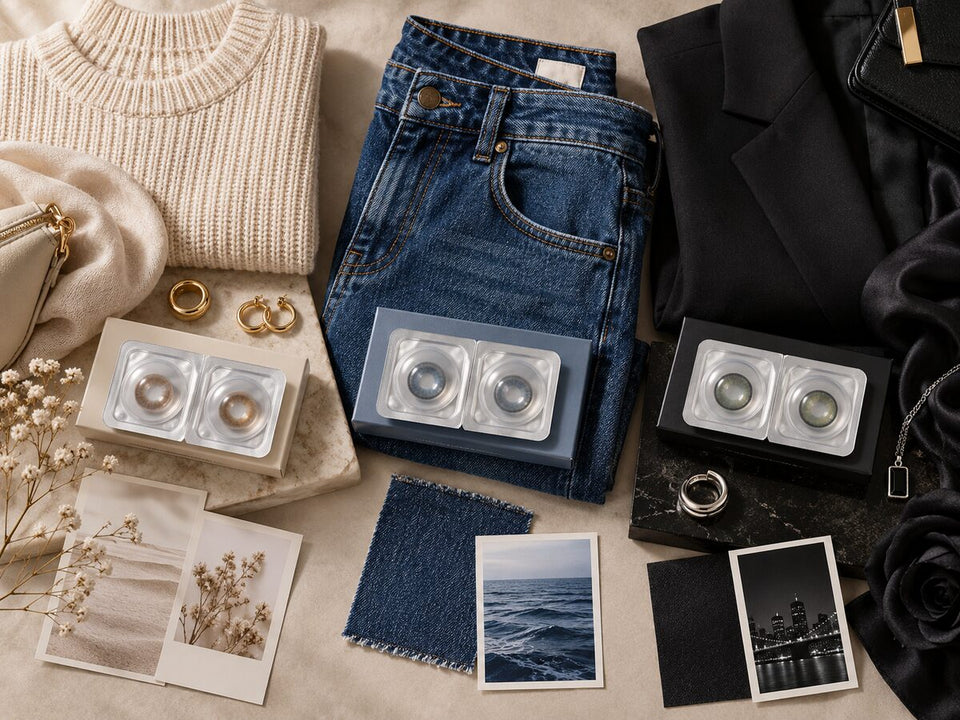
The three KPOP2 examples above give a useful short list without ranking beauty. Real Ring Brown is currently listed with a 12.5 mm graphic diameter and two lenses in a monthly box. ViVi Ring Brown is listed at 13.0 mm, also monthly with two lenses. Misty Natural Choco 20p is listed at 13.1 mm and has 20 individual daily lenses per box. Those are product facts that help plan a comparison and calculate supply. They do not predict how natural each lens will appear on your eye.
Compare the print and apparent color in consistent photographs. A smaller graphic can still create a stronger edge if its border is more distinct. A choco shade can look different from a brown shade without the difference being explained by 0.1 or 0.5 mm alone. Do not turn a single measurement into a beauty score. If the products are not all suitable within your fitted options, do not use an appearance comparison to choose between them.
Save the exact URL and selected power when you find a preferred version. Series names can span more than one format. A record that says only “ViVi Ring Brown” may not tell you which box or replacement format you rehearsed. Recheck the current listing before ordering because product fields and availability may change.
Run a fair photo rehearsal
Use the same camera distance, similar time of day, and the makeup you intend to wear. Start with a head-and-shoulders portrait, then a full outfit image, then an eye detail. Do not compare a filtered close-up of one lens with a full-face unfiltered image of another. A consistent phone setup is enough; the purpose is to isolate styling differences, not to create a studio campaign.
Make one daylight set and one indoor set. Daylight near a window or in open shade can show color relationships without the strongest overhead shadows. Ordinary indoor lighting tests whether the result still feels like your chosen look away from perfect light. If flash photography will matter, ask the photographer about a rehearsal or use a comparable flash setup. Never assume a single phone image predicts all camera processing.
Review the images at normal size. Zoom only to answer a specific question, such as whether the printed edge looks too sharp beside liner. If you stare exclusively at a magnified iris, every lens may seem more dramatic than it does in a portrait. Share the normal portrait with someone involved in the shoot if their perspective matters, and ask a focused question about the intended mood rather than inviting a general vote on eye color.
Change one variable at a time
If the first portrait feels too bold, keep the lens and soften the liner. If it still feels too bold, compare another suitable lens with the same makeup. If the iris color seems wrong only indoors, retest under consistent indoor light before concluding that the product changed. This sequence gives you a reason for the final choice and avoids purchasing several variations based on incomparable images.
Plan for a gallery, not one perfect frame
Ask yourself whether the chosen lens still works across several images: a smiling candid, a straight-on portrait, and a photograph beside other people. An option that looks impressive only in the closest crop may not be the one you want throughout the gallery. Compare the same three views for each suitable candidate. If friends or family will view the photos at normal size, do not let an enlarged iris detail overrule the broader expression you liked. Write down the trade-off you accept: more visible color in close-ups, or a quieter result across the whole album. Either is a thoughtful choice when it matches your original brief.
Plan supply and care without last-minute arithmetic
For daily lenses, count individual lenses, eyes, and occasions. A 20-piece box contains 20 physical lenses, not 20 pairs. If both eyes use the same power, a bilateral rehearsal uses two lenses and the event uses two more. If the eyes have different powers, each requires its prescribed version and a separate count. This is quantity planning only; it does not say a particular product is suitable for your eyes.
For reusable lenses, follow the product's specified replacement, cleaning, disinfection, and storage directions. A monthly schedule does not mean thirty separate wear days that can be spread across any length of time. Confirm the instruction for the exact model and your eye care professional's advice. Do not plan to stretch a lens's use because the event date moved.
Put backup glasses where they can be reached without unpacking the outfit. If you need to remove a lens during a long day, a beautiful photograph is not a reason to keep it in. Choose makeup and hair that you also like with your glasses or natural eyes. This gives you a complete alternative look rather than an emergency compromise.
The FDA's everyday eye-care guidance places lens insertion before cosmetics and lens removal before makeup removal. Build the preparation schedule around that order. The FDA's care-solution guidance applies to the appropriate handling of reusable lenses and supplies. For US customers, the FDA's decorative-lens page explains the prescription requirement. A formal event does not change those requirements.
Final checklist for a wedding or graduation lens look
- State the intended portrait. Choose familiar definition, gentle color change, or an intentional statement.
- Compare the full face first. Use a head-and-shoulders image before zooming into the iris.
- Include real styling. Wear the planned makeup, hair arrangement, and neckline or gown.
- Test two lighting conditions. Keep camera distance and filters consistent.
- Confirm product facts. Save the exact fitted model, power, format, and box count.
- Count rehearsal and event supply. Calculate physical lenses for each eye.
- Prepare the alternative. Keep glasses and a lens-free version of the look ready.
- Stop browsing when the brief is met. Save the approved portrait and the reason it works.
The best choice is the one you have rehearsed, can order and use correctly, and still like at the viewing distance that matters to you. No catalog dimension can replace that combination of a real photograph, verified product details, and appropriate lens care.
Related categories
Use Colored Contacts, Brown Contacts, and Gray Contacts to browse candidate shades for the event palette. Then compare the exact product images and available options; the collection alone cannot predict an on-eye result.
Questions and answers
Do wedding contacts have to be brown?
No. Brown is one starting point for a familiar look, not a wedding rule. Gray, green or another fitted color can suit your intended portrait. Judge the whole face and outfit together.
Should the lens match my graduation hood?
Matching is optional. A vivid hood can already provide the main accent. A quieter lens may keep the face easy to read, while a deliberate contrast can support a more styled photograph.
Is a smaller graphic always more natural in photos?
No. Graphic size is only one part of the design. The edge, contrast and how the print interacts with your iris can change the impression even when the listed diameter is smaller.
What should I send my photographer?
Send an ordinary portrait from your rehearsal and explain what you like about it. This gives more useful direction than a tightly cropped product picture taken on a different person.
Should I order the same color in two formats?
Only if both exact models are appropriate for you and the comparison answers a real need. Daily and monthly versions should not be assumed identical because the series and color names match.
What is the simplest final decision rule?
Choose the rehearsed option that supports your priority photograph and is practical to order and use correctly. Keep the glasses alternative ready, and avoid introducing an untested design immediately before the event.
Editorial scope: This guide helps prepare a visual plan for event photographs. Style observations use the linked catalog images and product records; they are not a controlled wear test or a clinical fitting.