Care & authenticity
How to Put In and Remove Colored Contacts: Beginner Guide
The first goal with colored contacts is not to put them in quickly. It is to learn a clean, repeatable insertion and removal routine for the exact soft lenses fitted by your eye care professional. Practice both directions under supervision, keep the manufacturer's instructions, and know whom to call if a lens will not come out or your eye becomes uncomfortable. This beginner guide organizes the questions and checks around that lesson; it cannot replace a fitting or a hands-on demonstration.
In this guide
- Learn both directions with a professional
- Prepare the lens, hands, and space
- Inspect identity, orientation, and condition
- Practice the instructed insertion method
- Practice removal before wearing away from home
- What to do when handling is difficult
- Finish according to lens format
- Fit handling into a real day
- Stop for warning symptoms
- Plan a calm practice session
- A beginner's repeatable checklist
- Questions and answers

Learn both directions with a professional
An online guide can show what to prepare, but your eye care professional needs to fit the lens and teach you how to handle it. The FDA advises saving the instructions supplied with contacts and requesting the patient information booklet if you did not receive it. Bring the exact product to a supervised lesson. Ask the practitioner to demonstrate insertion and removal, then watch you repeat both movements and correct anything you cannot control reliably.
Do not treat successful insertion as the end of training. A lens must come out at the prescribed time and whenever symptoms require it. Before your first independent wear, know how to remove the lens, where your backup glasses are, and which eye care service can help if removal fails. The FDA recommends having current backup glasses. That makes it easier to stop wearing a lens without being left unable to see clearly.
Be specific about the difficult part. Some beginners struggle to keep an eyelid open; others lose the lens from a fingertip, cannot tell whether it is reversed, or hesitate at removal. Tell the practitioner exactly where the movement breaks down. Repeating a dozen unrelated videos can make the process less consistent. A focused second demonstration with your prescribed lens is more useful than switching methods every attempt.
Give yourself time to learn on an ordinary day. A photo shoot, concert, or early flight is a poor first practice setting. Arrange a clean, well-lit space and a realistic schedule that includes removal, lens care, and a way to ask for help. If you cannot remove the lens reliably under supervision, postpone independent wear and continue with your professional.
Prepare the lens, hands, and space
Wash hands thoroughly with soap and water before every lens-handling session and dry them completely with a clean cloth. The CDC recommends this before touching contacts. Prepare again for removal later, even if you washed your hands before insertion in the morning. Wet hands, lotion, and contamination from a phone or makeup tools can interfere with a clean routine.
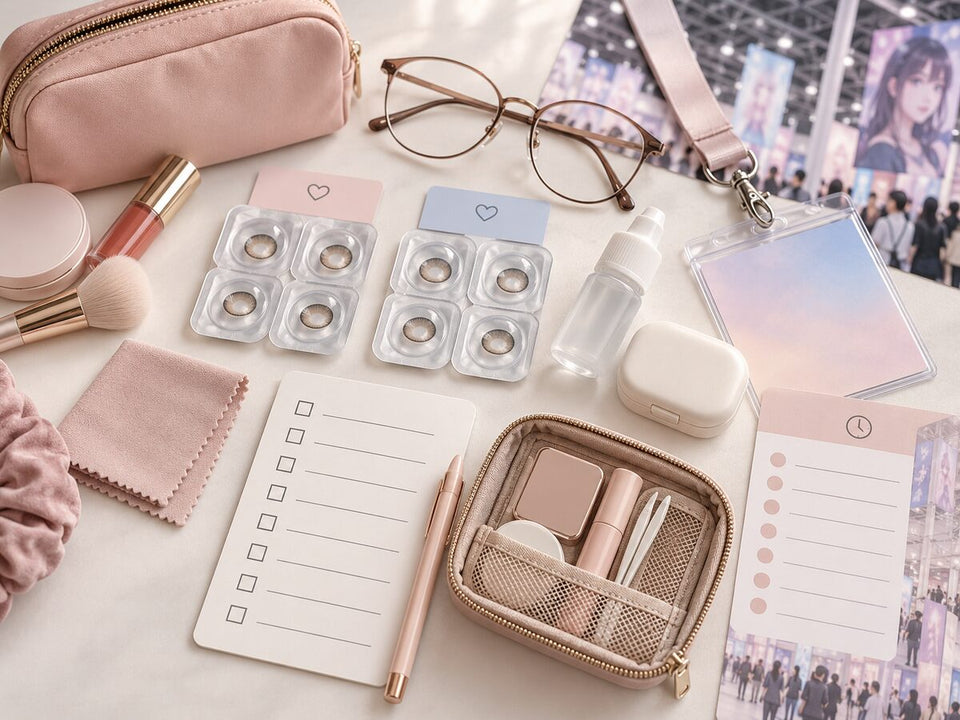
Set out only the items you need: the correct unopened lens or properly cared-for reusable lens, its instructions, any recommended solution, and a clean case when the lens format requires one. Have glasses nearby. Read instructions before starting so you are not scrolling through a phone while holding the lens. If you touch another surface, wash and dry hands again as appropriate before returning to the eye.
Work over a clear area where a dropped lens can be found without reaching into a sink or onto dirty towels. Keep a mirror positioned comfortably and avoid rushing. Fingernails should not scrape the lens or eye. If long nails make the taught method difficult, ask the practitioner to help you find a safe technique rather than improvising with nail edges or household tools.
Confirm the product and eye before opening or picking up a lens. If right and left eyes need different powers or parameters, use a consistent order and keep packages separated. A decorative 0.00 lens still has a product identity and fitting; it should not be swapped with a friend's lens or a visually similar online design. Read the label on the actual blister pack or storage container.
Inspect identity, orientation, and condition
Use the inspection method in the manufacturer's instructions and the one demonstrated by your eye care professional. Check that the lens is the right product for the intended eye and that it is not torn, nicked, or otherwise visibly damaged. Do not attempt to “smooth out” a damaged edge and wear it anyway. Ask how to handle a lens that looks unusual before insertion.
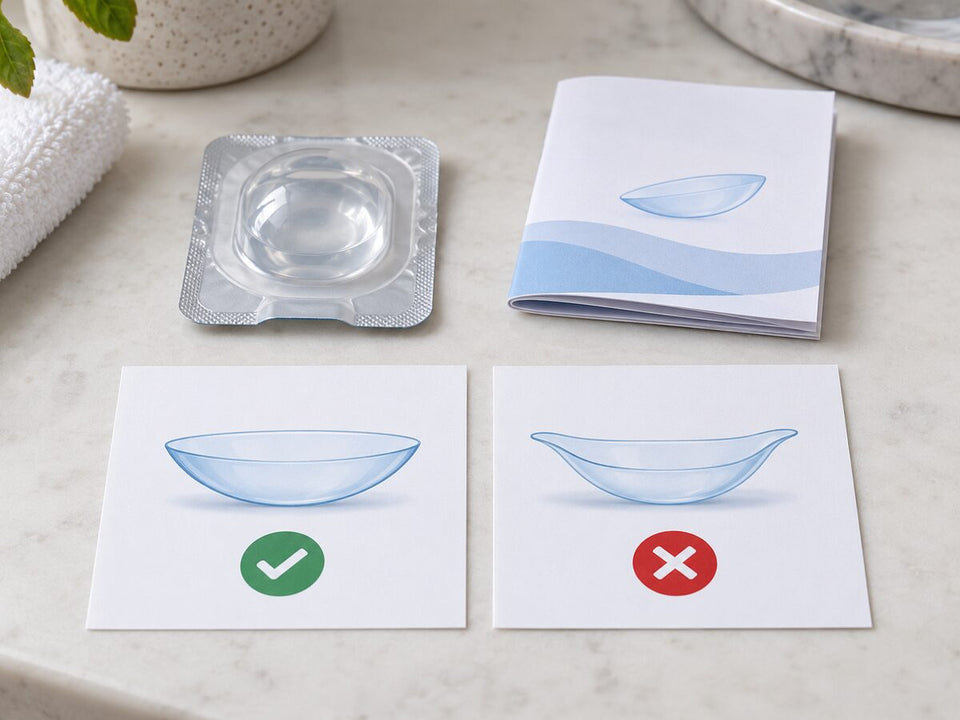
Soft lenses can turn inside out, and different products may have marks or shapes intended to help identify orientation. The decorative print alone is not a reliable universal guide. Ask the fitter to show you exactly how to recognize the correct orientation for your lens. Then practice the check while they watch. If you cannot tell, pause instead of using the eye as a test surface.
Look at the lens in good light but do not confuse visual inspection with a clinical safety check. A lens that looks intact can still be the wrong product or unsuitable for your eye. Conversely, tiny visible design details on colored lenses may be part of the print. The fitting and package instructions answer what is expected for the exact product. If you are uncertain about a defect, keep the package and ask the seller or professional as appropriate.
Practice the instructed insertion method
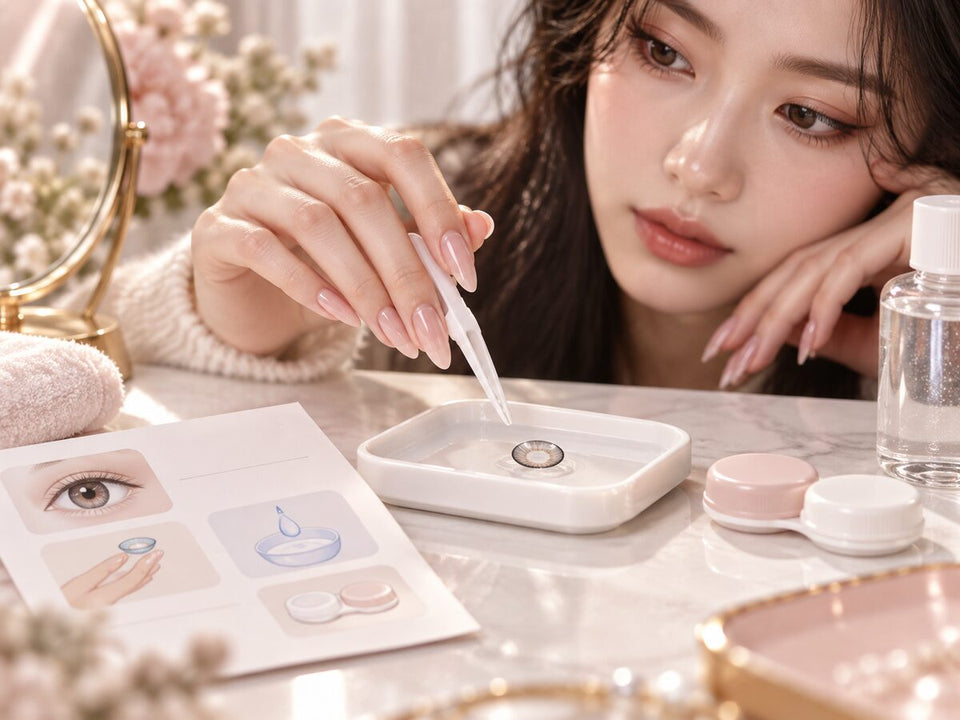
Your professional may teach a specific way to hold the eyelids, position the lens on a fingertip, direct your gaze, and place the lens. Follow that method for your prescribed product. This article does not prescribe one hand position for every wearer. Ask the instructor to break the sequence into small parts and explain what each hand is doing. Repeat the movement only while it remains controlled and comfortable.
It may help to rehearse the order aloud: clean hands, identify the correct lens, inspect it, hold the lids as taught, place the lens, then check comfort and vision. A short sequence is easier to remember than an improvised motion while the eye is blinking. If the lens falls onto an unclean surface, do not put it straight into the eye. Follow the product and professional instructions for that situation, or use a new lens if directed.
After placement, pause to assess how the eye feels and what you see. The lens should not be worn through pain, marked irritation, or unexpected blur. Do not repeatedly remove and reinsert it to try several orientations when symptoms persist. Remove it if you can do so safely and contact the professional. The appearance of the color is a separate question from whether the lens is comfortable and correctly fitted.
Ask the fitter how they want you to confirm that the lens has settled and whether a normal first-wear sensation is expected with that specific product. Avoid borrowing another wearer's description of what “normal” feels like. A statement such as “it stings, but the photo looks good” is a reason to stop and ask, not a reason to finish the event.
Practice removal before wearing away from home
Removal is a fresh handling session. Wash and dry hands again. Use the movement your practitioner demonstrated, with gentle controlled contact and no fingernail scraping. Have them watch you remove the lens during training, not only describe the steps. If you cannot reproduce the method calmly, ask for another lesson before an outing.
Know which eye you are removing first, especially when right and left lenses differ. Keep the appropriate case and fresh solution ready for a reusable lens, or a disposal plan for a daily disposable. The end of the wearing day should not be the first moment you discover the case is missing or the solution has expired. A small preparation step before leaving home can prevent a difficult late-night situation.
If the lens does not move as expected, stop escalating force. Follow only the rewetting or repositioning instructions your eye care professional has approved for that lens. Do not use tap water, saliva, a disinfecting solution in the eye, tweezers, or another household tool to force removal. Contact an eye care service if you cannot remove it. Tell them whether the lens is still in the eye and whether pain, redness, or vision change is present.
A manufacturer such as ACUVUE advises professional help when a lens cannot be removed. That page is a useful example of why “keep trying harder” is the wrong response, but its product-specific instructions should not replace your own clinician's directions. Keep the office and after-hours contact information available before first independent wear.
What to do when handling is difficult
The lens will not stay on my fingertip
Ask the instructor to check your hand dryness, finger position, and the lens's condition. Do not add an unapproved liquid just to make the lens stick. A technique that works in a video may rely on a different lens or angle. Practice under supervision until you know how to control the prescribed lens without rushing.
I keep blinking before placement
Tell the practitioner exactly when you blink and which lid is closing. They can adjust the taught setup and help you practice holding the lids safely. Do not try to overpower the blink with pressure on the eye. Take breaks; repeated frustration can make the motion less precise.
I cannot tell whether the lens is inside out
Use the product's orientation instructions and ask for a demonstration with the actual lens. Do not infer orientation from a colored ring or a general internet diagram. If the shape check remains unclear, pause before insertion. A second supervised lesson is a reasonable part of learning.
The lens seems torn
Do not insert a visibly damaged lens. If it tears during removal or you think a piece remains, stop probing the eye and contact an eye care professional promptly. Tell them what came out and what may still be present. Keep the product packaging and involved lens available if asked, but do not delay care to photograph every detail.
I can insert it but cannot remove it
Independent wear should wait until you can demonstrate both directions with the professional. If the lens is already in the eye and removal is not working, seek professional help. Describe the attempts you made and any symptoms. Repeated force and multiple improvised methods are not a training exercise.
Finish according to lens format
What happens after removal depends on the exact lens. A daily disposable is used for its intended wearing occasion and discarded as instructed. A reusable lens needs its compatible cleaning, disinfection, storage, and replacement routine. Do not decide from the color name. A brown or pink design may be sold in more than one replacement format, and package counts may differ even when images look similar.
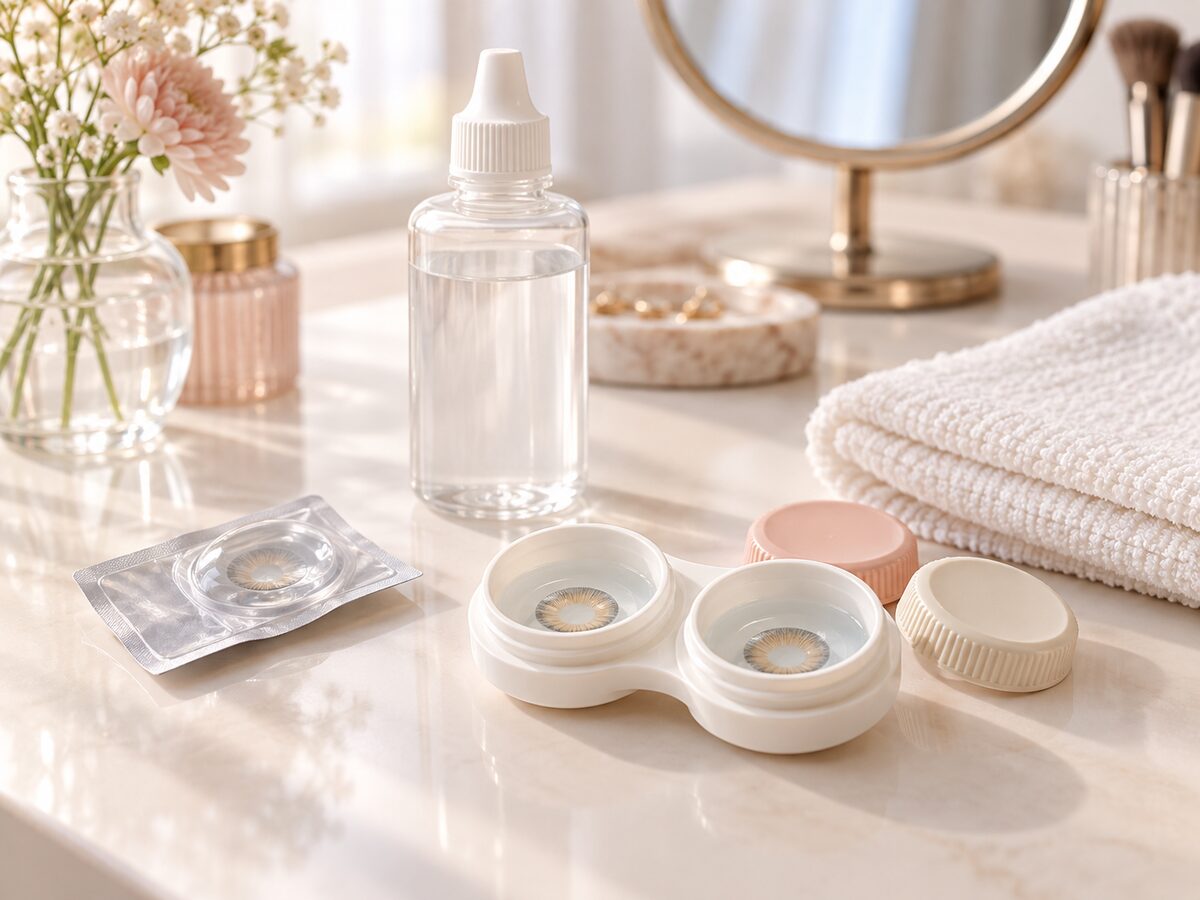
For reusable lenses, follow the prescribed solution and case instructions. The FDA warns against topping off old solution and against substituting water or saliva. If you use a hydrogen peroxide system, it requires its special case and completed neutralization before the lens returns to the eye. Ask the professional to demonstrate the exact after-removal sequence during training rather than learning it for the first time at night.
A daily disposable does not become reusable when placed in a case. If you remove it early because of an ordinary scheduling change, follow the specific product and professional directions. If removal happened because of pain or unusual symptoms, keep the lens out and contact an eye care professional; the FDA may advise preserving the involved lens for assessment. That is a different reason for retaining it, not permission to wear it again.
Keep replacement dates visible. “Monthly” refers to the product's replacement format, not to thirty consecutive nights of wearing unless a professional has given an entirely different approved plan for a specific lens. Never sleep in a daily-wear lens simply because it feels comfortable at bedtime. Follow the wear schedule and replacement instructions for the product fitted to you.
Fit handling into a real day
The FDA advises putting contacts in before eye makeup and removing them before makeup removal. That sequence helps keep cosmetics and remover away from the lens-handling step. Apply sprays such as hairspray before inserting lenses, according to the FDA's everyday-care guidance. Keep hands clean when moving between skincare, makeup tools, and contacts. A phone reminder can help with timing but cannot replace the prescribed technique.
For a first outing, choose a place where you can stop and remove lenses if necessary. Bring current glasses. Know whether the restroom has clean water for handwashing and a way to dry hands; do not use the water to rinse the lens. If the event includes swimming or showering, the CDC advises removing lenses beforehand. Plan the transition in advance rather than improvising at the pool or gym.
Think about the end of the day before you leave. Is the reusable case clean and ready? Is the correct solution available and within its use date? Will you have enough time for the required disinfection or neutralization before the next planned wear? If not, choose another visual plan or ask your professional about a fitted format that better suits your routine. Do not shorten care steps to match an event schedule.
If friends are curious about the color, do not let anyone try the lens. The FDA warns against sharing because lenses are individually fitted and germs can transfer. Show a photo of the packaging or product page instead. Keep right and left lenses distinct, and do not put a decorative lens over another contact lens to combine color and vision correction.
Stop for warning symptoms
Discomfort, unusual redness, discharge, light sensitivity, pain, or blurred vision require a different response from a routine handling problem. Remove the lens if you can do so safely, keep it out, and contact an eye care professional promptly. The FDA says contact-lens problems can become serious quickly. Do not wait for a styling event to finish or test a second lens to see whether the feeling improves.
If removal is not possible, tell the eye care service that the lens remains in place. If a lens tears, mention whether you believe a piece is missing. Avoid scraping or probing the eye. The clinician may want to see the involved lens and case, so ask how to retain them. Collecting product details is useful, but seeking care should come first.
A lens that looks correctly positioned can still cause a problem. Conversely, a difficult first insertion does not mean that pain should be accepted as part of learning. Separate technique from symptoms: ask for a supervised technique review when the movement is difficult without concerning symptoms, and seek clinical advice promptly when the eye itself is uncomfortable or vision changes.
Plan a calm practice session
A productive practice session has a beginning and an endpoint. Decide with the professional how many attempts are sensible, what a controlled movement looks like, and when to take a break. Bring the instructions for the prescribed product and ask to repeat the full routine rather than only the step that feels easy. The goal is not a speed record. It is a process you can do without contaminating the lens, confusing right and left, or becoming unsure how to remove it later.
Choose an environment with good light, a clean work surface, and enough time to stop if needed. Avoid first practice when you are already wearing full eye makeup, running late, or preparing for an important photograph. Keep glasses nearby so ending the session is a normal option. If a lens is dropped or the package is damaged, ask how the exact product should be handled rather than trying to rescue it with water.
After the professional watches one complete insertion and removal cycle, ask what to do in the situations most likely for you: blinking during placement, a lens that folds on a fingertip, a reversed lens, difficulty reaching a lens for removal, or a case forgotten away from home. Record the answers in the same words used during the lesson. If the response depends on a specific rewetting product or care system, write its full name.
For parents helping a teen, observe whether the teen can explain and perform the routine without rushing. A parent can remind, prepare glasses, and arrange follow-up, but should not assume that doing every step for the teen makes independent wear ready. The wearer needs to recognize discomfort, stop, and tell an adult or clinician. For adults, the same principle applies: confidence grows from repeatable technique, not from ignoring an uncomfortable first attempt.
A beginner's repeatable checklist
Use this as a quick reminder of the routine taught for your exact lens. Add the product name, right and left selections, wear schedule, care products, and clinic contact to a personal note; do not use a generic checklist to change that plan.
- Confirm the prescribed lens, intended eye, and package condition.
- Wash and dry hands; prepare a clean, well-lit space and backup glasses.
- Inspect and orient the lens using the product instructions and the method demonstrated by your professional.
- Insert and remove it only with the technique practiced under supervision.
- Follow the exact care or disposal instructions, including any required disinfection time.
- Stop if you have concerning symptoms or cannot remove the lens safely; contact your eye care service.
Keep a useful practice note
After practice, record the specific step that was difficult—for example, keeping an eyelid open or controlling the lens on a fingertip—and take that note to your next lesson. Also write down any new product or care-system questions. This helps your instructor focus the next demonstration; it is not a reason to change your wear schedule or dismiss discomfort.
Questions and answers
Can I learn insertion only from a video?
A video can help you recognize the general sequence, but it cannot fit your lens or assess your technique. Learn with an eye care professional using the exact product prescribed for you, and ask them to watch you insert and remove it before independent wear.
What if a lens falls into the sink?
Do not rinse it with tap water and put it back in your eye. Follow the exact product instructions and ask your eye care professional how to handle possible contamination. Discard a daily disposable as directed; use a reusable lens again only after its prescribed care process is completed.
Use the exact prescribed lens and follow your eye care professional's handling, wear, and care directions. Keep backup glasses and a help contact available.